Let's start with the real problem
One of you is cleared for light activity. The other still can't move without pain. Or one partner's libido returned three weeks ago while the other is barely sleeping through the night. This is the invisible strain in recovery that no one talks about, and it wrecks relationships quietly.
You're not the same right now. Your bodies aren't on the same timeline. And pretending they are either kills desire entirely or forces someone to push their body before it's ready. Neither works.
A lemon vibrator solves this specific problem because it lets one partner experience pleasure without requiring the other to be anything they're not yet.
Why mismatched timelines create relationship friction
Recovery from surgery, injury, or illness doesn't sync for two people. One of you might be cleared for sex in four weeks. The other might need eight. Desire doesn't care about a timeline either. Some people get their libido back immediately. Others don't for months.
Meanwhile, you're both trying not to resent each other. The recovering partner feels pressure. The waiting partner feels rejected. Both of you are touching each other with caution instead of desire. Resentment grows in that careful space.
The thing nobody tells you about recovery partnerships is that you're managing two completely different bodies with two completely different needs. And your bodies haven't been in sync since the recovery started.
How a lemon clitoral vibrator enters the picture
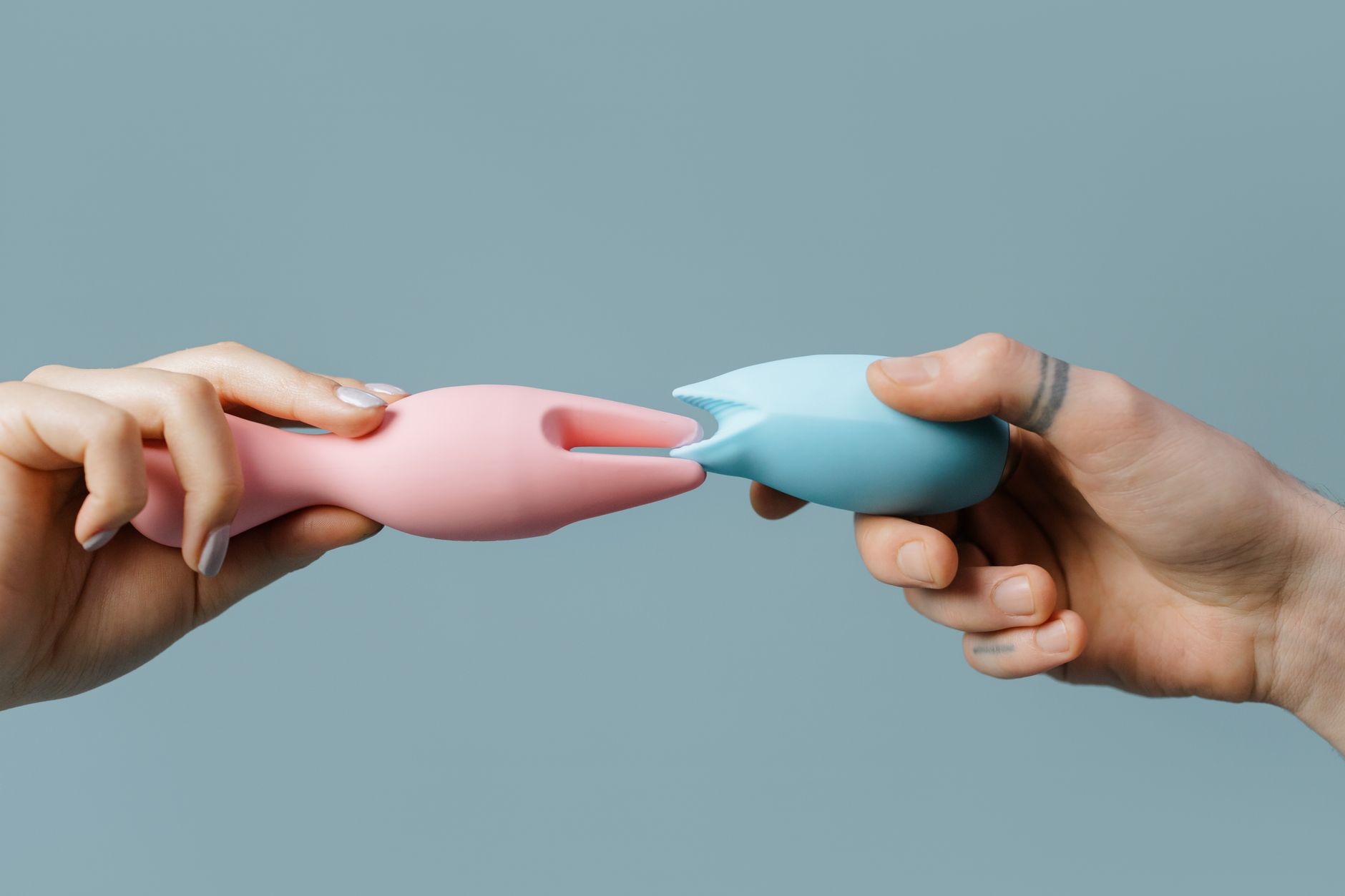
A lemon sucker vibrator like the one from Hello Nancy is designed for solo pleasure. It's quiet. It's fast. It requires zero input from anyone else's body. Which means the partner with desire can actually have an orgasm without forcing the other partner to do anything they're not ready for yet.
This sounds simple, but it's radically different from the usual recovery narrative. You don't have to choose between desire and care. You can have both.
The recovering partner doesn't have to move. They don't have to perform. They don't have to manage anyone else's body. They can simply be present if they want to be, or they can sleep. The choice is theirs, and that matters.
The partner who's ready can touch themselves without guilt. Without waiting. Without managing someone else's pain while managing their own arousal.
Setting up the logistics that actually work
Here's what I recommend to couples navigating this:
Separate the conversation from the act. Sit down when you're both calm and clothed and say: "My body needs you recovered. My desire is separate from that need." This isn't sad or wounded. It's practical. It's honest. It unloads a ton of guilt from both sides.
Agree on timing. If your recovering partner needs sleep, that's the boundary. A lemon vibrator takes five to ten minutes. Do it before they wake up, or after they've rested. Don't negotiate around their recovery. Work with it.
Use it together if they want, but don't assume they do. Some recovering partners like being in the room while their partner uses a clitoral vibrator. Some don't. Some want to watch but don't want to touch. Some want to be asleep. Ask. Clarify. No assumption that presence equals intimacy.
Pace it with their recovery, not their comfort. The recovering partner might feel fine one day and wrung out the next. A lemon vibrator is always available. Your partner doesn't have to be. That's the whole point.
What the research actually shows
There's not much clinical literature on this specific scenario because it sits at the intersection of recovery, relationship dynamics, and sexual health. But we know from relationship research that unmet desire during a partner's recovery predicts relationship strain. We also know that solo sexuality doesn't diminish partnered desire. It actually stabilizes it.
For the recovering partner, watching their spouse have pleasure without requiring anything from them often actually speeds up the return of their own desire. There's no pressure. There's no performance. There's just watching someone they love feel good, which tends to shift them from caregiver mode back toward partner mode.
For the partner with active desire, a lemon vibrator is a tool for agency. You're not waiting. You're not managing someone else's guilt. You're taking care of yourself. That's a different energy entirely.
Managing the specific awkwardness that comes up
Honestly, the hardest part isn't the physical logistics. It's the psychological shift.
Many people internalize the narrative that desiring your partner while they're recovering means you're selfish. It doesn't. Desire is not consent. Desire is not a demand. A lemon clitoral vibrator is the tool that finally separates the two. You can want something and not need it from someone else right now. That's maturity. That's love.
Your recovering partner might feel awkward watching. That's normal. It usually passes after the first or second time. If it doesn't, that's a conversation for a therapist, not something to sacrifice your pleasure over.
The first time might feel weird. The tenth time usually feels like care.
When to escalate back to partnered sex
There's no fixed timeline. Some couples are ready in four weeks. Some take four months. A lemon vibrator keeps pleasure alive during all of it.
The shift back to partnered sex isn't about clearing for activities. It's about both partners feeling genuinely ready, not just physically cleared. If one partner is using a lemon vibrator solo and the other is sleeping through the night again, you're getting close. When both of you want to be in the same room at the same time, you're there.
Don't rush it. Recovery that fast usually means someone pushed too hard or someone else gave up pleasure they needed. Neither builds a stronger relationship.
The bigger picture
Mismatched recovery timelines are temporary. But the way you handle them shapes how you move through other crises together. Using a lemon vibrator during recovery isn't about the orgasm. It's about choosing your own pleasure without choosing against your partner's healing. It's about being a team that's currently on different schedules, and being okay with that.
You don't have to pause desire while someone recovers. You have to pause partnered sex. That's completely different. And that distinction, honestly, saves relationships.
If you're struggling with the emotional side of this, how to use a lemon vibrator when your partner avoids intimacy walks through similar dynamics. And if the issue is deeper resentment about timelines, how to rebuild intimacy after relationship conflict addresses the repair process. Both are common paths through recovery.
Your bodies don't have to be on the same timeline for you to move forward together. A lemon vibrator is just the tool that makes that possible.
People also ask
Is it normal to want sex while my partner is recovering?
Completely. Desire doesn't pause because someone else is injured. Acting on it without your partner's body? That's different. That's where a lemon clitoral vibrator becomes useful. Your desire is valid. Their recovery is valid. Both can exist at the same time.
Will using a vibrator while they sleep feel disloyal?
No. Disloyal would be demanding they have sex before they're ready. Solo pleasure while they rest is actually the opposite. It's respecting their body while honoring your own. Most recovering partners, when they realize their spouse isn't pressuring them, find that really comforting.
How do I bring this up without making it awkward?
Just say it plainly when you're both calm: "I miss desire. I need you recovered more than I need sex right now. But I also don't want to pause my own pleasure for eight weeks. Would you be okay if I used a lemon vibrator when you're sleeping?" Most partners say yes because the alternative sounds worse for everyone.
Can we use a lemon vibrator together before they're fully recovered?
Yes, but only if it requires zero movement from the recovering partner. If they're lying down and you're using a vibrator between you, that can work. If it requires them to move, touch you, or be physically active, it's too soon. The recovering partner sets the boundary here.
What if they feel insecure about me using a vibrator without them?
That's worth discussing outside the bedroom. A therapist can help separate insecurity from real concerns. But usually, once the recovering partner sees that a vibrator doesn't replace them and doesn't slow down their own recovery, the insecurity settles. It takes time. That's normal.
When is it safe to return to partnered sex after recovery?
Ask their doctor, not me. But emotionally, you're ready when both of you actually want to be together at the same time. Not when one person is cleared and pushing. Not when one person is finally healed enough to say yes. When both of you genuinely want it. That's different from timing. That's alignment.
Resources
If you're navigating recovery as a couple, a therapist trained in medical family therapy or relationship crisis can help immensely. The Gottman Institute has resources on couples resilience through major life transitions. And Hello Nancy's buying guide can help you understand which lemon adult toys work best for different recovery scenarios if you need technical information.