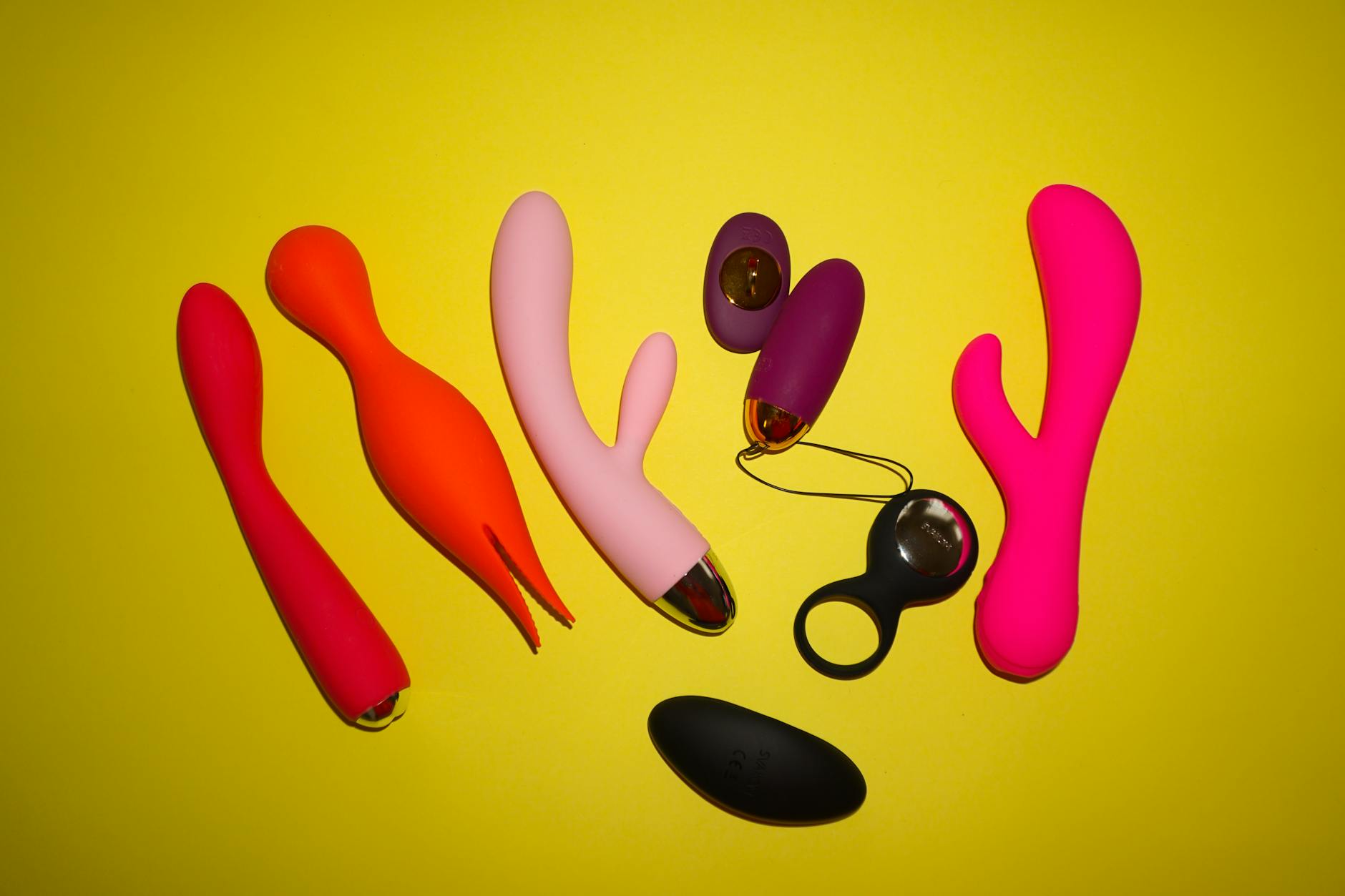
Let's name what's actually happening
Your partner pulls away. Maybe they're stressed, maybe they're touched out, maybe there's resentment that hasn't been named yet. Maybe they had their own sexual wounds long before they met you. The reason doesn't matter as much as what it's doing to you both: intimacy is offline, the space between you is growing, and suggesting anything sexual lands like a accusation.
Here's the thing nobody tells you: a lemon vibrator isn't a workaround for that gap. It's not a toy to trick your partner into wanting you. It's a tool that changes the entire frame of the conversation.
Why the frame matters more than the toy
When your partner avoids intimacy, it usually means one of three things is happening. First, sex has become a demand, and demands kill desire. Second, there's unspoken tension (sometimes sexual, sometimes not) that's made touch feel unsafe. Third, they've learned to protect themselves by disconnecting, and reconnecting feels terrifying.
A traditional vibrator might feel like pressure in a different package. A lemon clitoral vibrator, though, does something different. It's designed for precision, not aggression. It's a suction-based tool that requires lower intensity and gentler engagement. It signals something: "I'm not asking you to perform. I'm not asking you to do anything you don't want to do. I'm just taking care of myself, and you're welcome to be part of that."
That's the reframe. Your pleasure isn't dependent on their participation. It's something you're claiming for yourself, which paradoxically makes them feel less trapped and more safe.
The conversation before the vibrator
You can't just pull out a lemon vibrator and expect it to work magic. The real work happens in words first. Here's what I tell couples: "I've noticed we've drifted. I don't think it's about desire. I think there's something between us that needs clearing. I want to rebuild this, but not by pressuring you. I want to take care of my own pleasure, and I'd like you to know what that looks like."
That's vulnerable without being accusatory. It names the problem without assigning blame. It gives your partner permission to say no, which paradoxically makes saying yes feel safer.
If they're willing to listen, keep going. "I'm thinking about exploring what brings me pleasure on my own terms. That might look like using a tool designed for clitoral stimulation. I'm not asking you to do anything. But I'd like you to understand that this isn't about replacing you. It's about me deciding I'm worth that attention."

Photo by cottonbro studio on Pexels
Why a lemon clitoral vibrator shifts things
The Lem and similar lemon vibrators work through suction and pulsation, not traditional vibration. That matters because suction feels less invasive, less clinical, more like a sensation than a device. When your partner watches you use one, they're not watching you use a machine. They're watching you discover what feels good.
For partners who avoid intimacy, that distinction is huge. They can stop feeling like they're failing you. They can start feeling like they're witnessing something they're allowed to be curious about, not obligated to provide.
Start with intensity levels one through three. Let your partner see that this isn't about going harder and faster. It's about subtlety. It's about patience. Those qualities signal safety. They signal that pleasure isn't a performance. It's an experience.
How to actually introduce it
Don't hand them the vibrator and ask them to use it on you. That's asking them to participate before they're ready. Instead, use it alone first. Let them see you do it when you're comfortable, maybe while they're in the room reading or just being present. No eye contact. No pressure. Just you, taking care of yourself.
If they ask what it is, tell them. "It's a clitoral vibrator. I'm exploring what works for my body. It's nothing you need to do anything about." That sentence does the work. You're taking them off the hook.
Over time, curiosity might appear. "Can I see how it works?" "What does that feel like?" "Can I try?" Those questions change everything. They're asking from a place of genuine interest, not obligation. And when your partner engages from curiosity instead of guilt, the whole dynamic shifts.
The deeper work: rebuilding without resentment
Using a lemon vibrator won't fix the reason your partner withdrew. But it does something almost as valuable. It breaks the silence. It shows your partner that you're not collapsing under their avoidance. You're building a life that includes your own pleasure regardless. That strength is attractive. That self-possession is sexy.
At the same time, you need to address what created the distance in the first place. Maybe your partner is overwhelmed with work. Maybe they have their own trauma that makes touch feel dangerous. Maybe there's resentment that hasn't been spoken. Those conversations are harder than introducing a vibrator, but they're necessary.
Consider couples therapy if the avoidance has been going on for months. A therapist trained in sex therapy or the Gottman Method can help you both understand what's underneath the withdrawal and rebuild safety in the relationship. That's not a Band-Aid. That's the real work.
What happens when they want to participate
If your partner becomes curious and wants to use the lemon vibrator with you or on you, here's what shifts. First, lower your expectations. They might be awkward. They might not use it the way you would. That's fine. The point isn't perfect technique. The point is that they're choosing to engage.
Tell them what feels good. "Try pattern two, that's my favorite." "A little slower." "Higher." Let them learn your body through the feedback. That's the opposite of avoidance. That's attunement.
If they ask to use it on you, start with your hand over theirs so you can control pressure and speed. Clitoral tissue is sensitive, and when tissue feels tender or irritated, communication is everything. You're teaching them, not testing them.
The fact that they're willing to learn is the gift. The actual skill takes time.
When the avoidance runs deeper
Sometimes a partner avoids intimacy because they're depressed, because they've checked out of the relationship, or because there's infidelity involved. A lemon vibrator can't fix those things. In those cases, you need professional help. A therapist, a couples counselor, or both.
What a vibrator can do is help you hold onto your own sense of deserving pleasure while you figure out whether this relationship is worth the work. It's a form of self-respect. It's saying: "I'm not waiting around in a state of deprivation." That clarity often changes the dynamic more than any conversation can.
The long game
Rebuild intimacy slowly. Use the lemon vibrator for your own pleasure. Invite your partner into that space without pressure. Have the hard conversations about what created the distance. Seek professional help if you need it. Most importantly, don't shrink yourself waiting for your partner to want you.
Your pleasure matters. Your body deserves attention. Your needs are valid. A clitoral vibrator is just a tool that helps you remember that when your partner has forgotten how to show up.
People also ask
Can using a vibrator make my partner more interested in sex?
Sometimes, yes. When your partner sees you claiming your own pleasure without resentment, it can reduce the pressure they feel and make intimacy feel safer. But a vibrator won't fix an underlying relationship problem. If your partner is avoiding intimacy because of depression, infidelity, or checked-out feelings, you need therapy, not a toy.
Is it okay to use a lemon vibrator if my partner doesn't want me to?
Yes. Your body is yours. That said, if your partner is actively hostile to the idea, that's worth exploring. Is it jealousy? Insecurity? Misunderstanding about what the vibrator means? Sometimes the objection dissolves once you talk through it. Sometimes it points to a bigger problem in the relationship.
Should I ask my partner before using a vibrator?
That depends on your relationship and whether you share space. If you have privacy, no. If you share a bedroom and might be using it there, a heads-up is respectful. Frame it as information, not permission. "I've ordered a clitoral vibrator. I'll be using it in here sometimes." Done.
What if my partner wants to use the vibrator but I'm uncomfortable?
You're allowed to say no. "I'm not ready for that yet. I'd like some time." Boundaries are healthy. That said, when partners have different comfort levels, communication is the bridge. Take time to understand why you're uncomfortable. Is it shame? Insecurity? Genuine lack of desire? Once you know, you can move forward.
Can a vibrator help if my partner is stressed and avoids sex?
It can help reduce the pressure, which sometimes helps stress-avoidant partners relax around intimacy. But stress is the real issue. If your partner is overwhelmed, what they probably need is help managing that stress, not a vibrator. That might be therapy, lifestyle changes, or a real conversation about how you both carry the load.
How do I know if my partner is avoiding intimacy because of me or because of something else?
You ask. "I've noticed we've drifted physically. I want to understand what's going on for you. Is it stress? Is it something between us? Is there something you need from me?" Then listen. Really listen. Don't defend. Don't explain. Just receive what they're telling you. That conversation is the beginning of rebuilding.
What actually changes
You start using the lemon vibrator. You stop waiting for your partner to give you permission to feel good. You reclaim pleasure as something that belongs to you. Your partner, watching you do this, feels less trapped, less blamed, less like they're failing. That shift in energy is magnetic. From there, real intimacy can begin again. Not out of obligation. Out of choice.
That's when things actually heal.