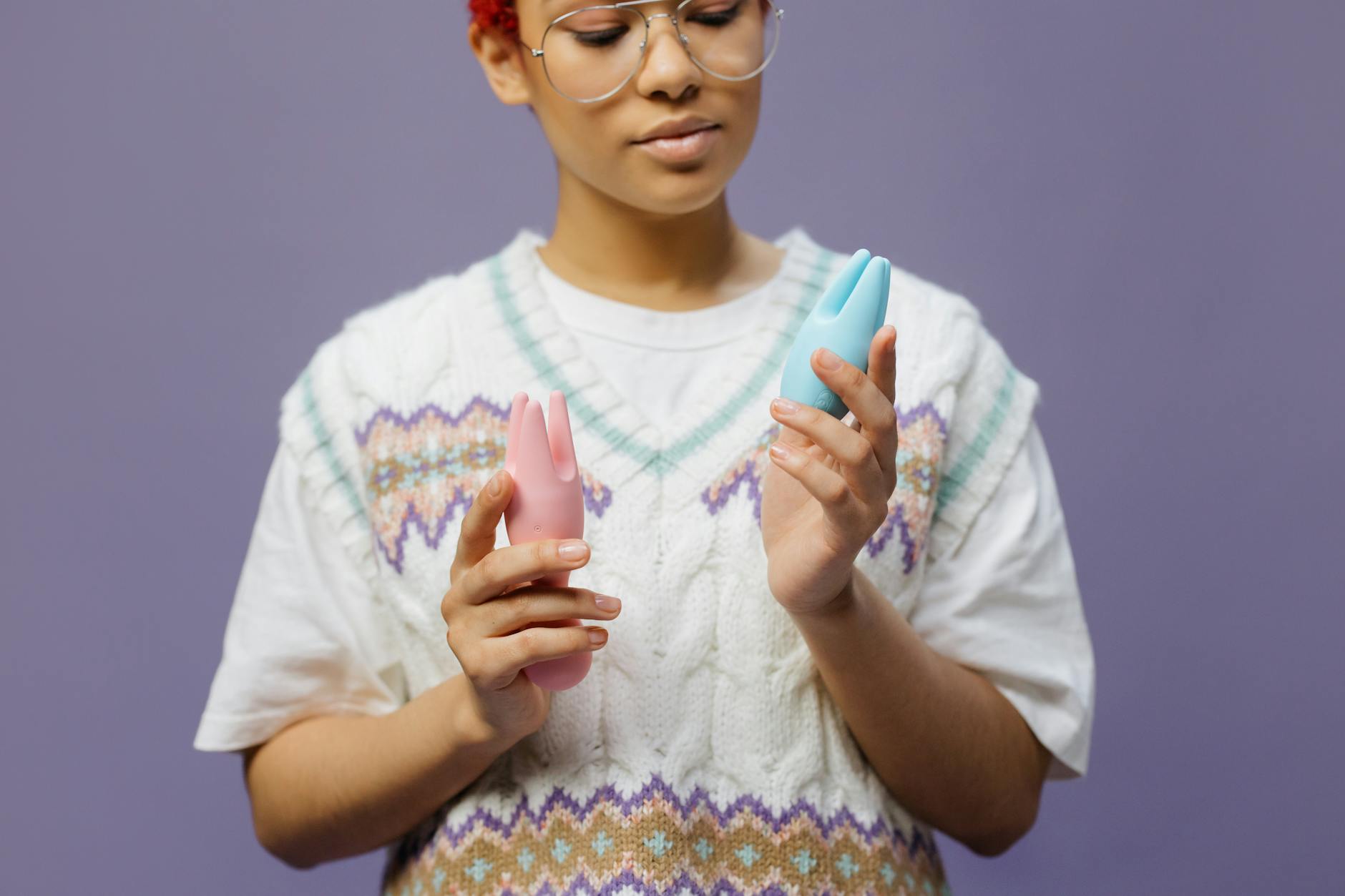
Let's talk about tender clitoral tissue
Your clitoris is incredibly sensitive. That's the whole point. But sometimes that sensitivity crosses into tenderness, rawness, or outright irritation. You might notice this after intense stimulation, during certain times of your cycle, after hormonal changes, or from friction that normally feels fine.
Here's the thing: tenderness is information, not a stop sign.
When clitoral tissue is inflamed or sore, most people assume they have to pause pleasure entirely. That's not true. What changes is how you approach it. The right tool, the right technique, and the right recovery strategy mean you can actually use pleasure as part of healing instead of against it.
Why your clitoris gets tender in the first place
Several things cause clitoral tenderness or irritation. Understanding which one you're experiencing helps you respond correctly.
Micro-abrasion from friction. Too much direct rubbing, especially without enough lubrication or with a partner who doesn't know your sensitivity, creates tiny tears in the delicate tissue. It's not serious, but it hurts and it makes you tense up, which makes it worse.
Hormonal fluctuations. Right before your period, during ovulation, or at other points in your cycle, the clitoris engorges slightly and becomes more sensitive to pressure. Some people find their usual stimulation suddenly feels too intense. This is temporary.
Post-stimulation inflammation. If you've had intense orgasms or longer sessions, the tissue can feel sore the next day or even hours later, like any other muscle. The clitoral glans has thousands of nerve endings packed into a tiny space. That intensity comes with a recovery period.
Irritation from products. Some lubricants, toy materials, or fabric can irritate sensitive tissue, especially if you have an allergy or sensitivity to glycerin, parabens, or certain silicones.
Skin conditions or infections. If the tenderness is accompanied by unusual discharge, burning, or visible irritation, see a doctor. Vulvovaginitis, herpes, or other infections need clinical treatment, not a workaround with a lemon vibrator.
Overuse or too-frequent stimulation. Your clitoris is not infinitely resilient. If you're using a lemon vibrator daily or multiple times a day, the tissue needs recovery days just like muscle does.
Why a lemon vibrator is actually ideal for tender tissue
This is where things get smart. The suction design of a lemon clitoral vibrator is fundamentally different from traditional vibrators, and that difference matters when your tissue is sore.
Traditional vibrators work through oscillation. They buzz back and forth against the tissue at high frequency. If your clitoris is already inflamed, that direct friction can feel abrasive, even painful. You end up tensing your pelvic floor to protect yourself, which makes tenderness worse.
A lemon vibrator uses gentle suction. Instead of friction, it creates a soft pulling sensation that engages the nerve endings without the aggressive contact. The stimulation is broader and more diffuse. You're not pounding the same spot. You're creating a gentle rhythm of pressure and release.
For tender tissue, this is game-changing. You get clitoral stimulation without the friction. You get pleasure without damage.
The right technique when tissue is tender
Assuming your tenderness isn't from an infection or serious irritation (which needs medical attention), here's how to use your lemon vibrator safely.
Start with lubrication. Even though suction doesn't require the same amount of lube as friction-based stimulation, add a water-based lubricant anyway. It creates a barrier that reduces any remaining friction and helps the suction create a better seal. This matters more when tissue is tender.
Use the lowest settings first. Your lemon vibrator has multiple intensity levels. If you normally use level 4 or 5, start with level 1. Let your body adjust. You can always increase intensity; you can't un-irritate tissue. Build slowly. Spend 3-5 minutes at each level before moving up, if you move up at all.
Position matters more than usual. When tissue is tender, angle and pressure distribution make a real difference. Try positioning the device so it targets the clitoral shaft or hood rather than direct pressure on the glans. The side-to-side approach often feels less intense than direct centering. Experiment and notice what creates pleasure without aggravating the tenderness.
Keep sessions shorter. When you're healthy and your tissue is happy, longer sessions are fine. When tender, aim for 10-15 minutes instead of 30. Quality over duration. You can always have a second shorter session later if you want, but don't exhaust the tissue in one go.
Rest matters. This is the part people skip. If your clitoris is tender, you probably need at least one full day off before using any vibrator again. Your tissue is healing. Stimulation, even gentle stimulation, delays that. One or two rest days between sessions while the tenderness is active is standard care, not deprivation.
The role of your pelvic floor in all this
Here's something that surprises people: clitoral tenderness often gets worse because your pelvic floor tightens in response to pain or discomfort. That tension restricts blood flow and makes the tenderness persist.
When you're using a lemon vibrator on tender tissue, focus on staying relaxed. This is harder than it sounds. Your instinct is to brace against discomfort. Instead, actively relax your pelvic floor. Take slow breaths. Let your inner thighs drop. If you notice yourself clenching, pause, breathe, and reset.
If staying relaxed is difficult, a few minutes of gentle pelvic floor breathing before using the vibrator helps. Breathe in for 4 counts while gently relaxing your pelvic floor. Breathe out for 4 counts. Do this 10 times. It primes your nervous system to stay calm during stimulation.
When not to use a vibrator at all
There's a line between tenderness that needs a gentler approach and tissue that needs complete rest. Cross it, and you'll set yourself back.
Don't use a lemon vibrator if the tissue is actively swollen, visibly inflamed, has open sores, or if there's discharge that's unusual in color, texture, or smell. These are signs of infection or more serious irritation. See a gynecologist. That's the only right answer.
If the tenderness comes from an allergic reaction to a lubricant or toy material, identify and eliminate the trigger first. Wash the toy thoroughly with warm water and mild soap. Switch lubes. Let the tissue calm down for a few days. Then you can resume with a clean slate.
If you're sore from too-frequent stimulation, take a real break. Three to five days off gives tissue time to fully recover. Then return to a more sustainable rhythm. Daily use is possible for some bodies, but not for everyone. Tenderness is your body telling you to back off.
Recovery and future prevention
Once your tissue feels better, you can use your lemon vibrator normally again. But think about what caused the tenderness and whether you want to prevent it next time.
If it was friction, remember that water-based lubricant is your friend. Use it every time, even with a lemon vibrator where it's optional. It costs nothing and prevents problems.
If it was overuse, build in rest days. You don't need pleasure every single day. Strategic pauses actually make pleasure more intense when you return to it.
If it was a certain technique or intensity that irritated you, note it. Your body's feedback is data. Honor it.
If hormonal timing matters, track it. Note when in your cycle tenderness shows up. Then plan your sessions during times when your tissue feels resilient instead of fighting against it.
What you'll notice when you're using it right
When you nail the approach for tender tissue, pleasure should feel completely different. Not painful. Not frustrating. Not like you're pushing through discomfort hoping for release.
Instead, it should feel safe. Pleasurable. Maybe slower to build than usual, but deeper when it arrives. Your pelvic floor stays relaxed. Your nervous system is calm. The tenderness actually improves a bit rather than getting worse.
That's the sign you're doing it right.
FAQ
How long does clitoral tenderness usually last?
It depends on the cause. If it's from a single intense session, tenderness typically fades within 24-48 hours with rest. If it's hormonal, it lasts for that phase of your cycle and then resolves. If it's from chronic overuse, expect 3-7 days of reduced stimulation before you feel completely normal again. If tenderness persists beyond a week without an obvious cause, check with a doctor.
Can I use lube on a lemon vibrator if the tissue is irritated?
Yes, absolutely. While lemon vibrators don't require lube the way traditional vibrators do, adding water-based lube when tissue is tender creates a protective barrier and helps the device work more smoothly. It's one of the smartest moves you can make. Just make sure it's water-based so it doesn't degrade the silicone.
Does the suction design of a lemon vibrator really help with tenderness, or is it just marketing?
It really does help. The suction mechanism distributes pressure differently than a vibrating buzz. Instead of concentrated friction on one spot, you get a gentler pulling sensation that engages nerves without the same tissue damage risk. That said, suction still requires a light touch when tissue is inflamed. The advantage of a lemon vibrator is that you can use very low settings and still get real stimulation, which you often can't do with traditional vibrators.
Is it normal for clitoral tissue to be tender after orgasm?
Yes, it's common. The clitoris engorges and the tissue becomes sensitive during arousal and orgasm. After release, some soreness or sensitivity is normal, especially if the stimulation was intense. Rest, time, and gentle care resolve it. If the soreness is severe or lasts more than a few hours, you might be using too much intensity or not enough lubrication.
What's the difference between tenderness and pain, and when should I see a doctor?
Tenderness is mild discomfort or sensitivity. Pain is sharp or intense. Tenderness from normal use usually resolves with rest and a gentler approach. Pain that shows up during normal activity, pain with a red or swollen appearance, pain accompanied by discharge or burning sensations—these need medical attention. When in doubt, contact a gynecologist. They won't judge. They've heard it all.
Can I prevent clitoral tenderness if I use my lemon vibrator regularly?
Yes. Use adequate lubrication every time. Include rest days between sessions, especially at first. Start with lower intensities and build from there rather than jumping to high settings. Pay attention to what your body tells you. If something starts to feel off, pause that session. Tenderness is easier to prevent than to treat. Being proactive about it means more pleasure overall.