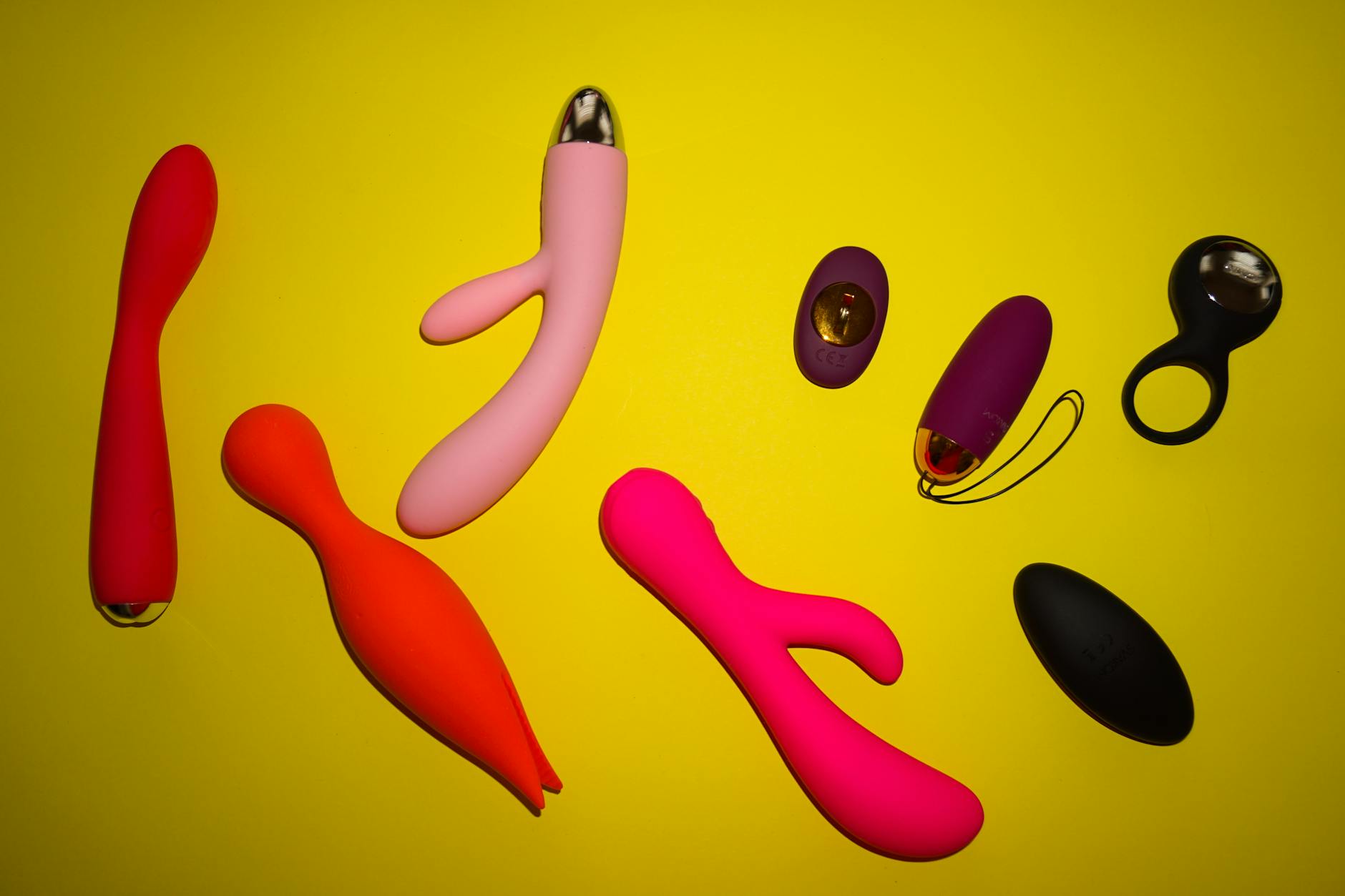
Let's talk about what surgery actually does to pleasure
If you've had pelvic, abdominal, or gynecological surgery, you already know that healing isn't just physical. Sensation changes. Response patterns shift. What used to feel good can feel numb, tingly, overstimulating, or weirdly distant. Most people aren't warned about this part, which means when it happens, you assume something is broken.
It isn't. Your nerves are rerouting.
I work with people navigating this transition all the time, and the pattern is consistent. The body heals faster than sensation does. Your incisions close in weeks. Your nerve pathways can take months to recalibrate. And if you try to jump back into old patterns before that recalibration is complete, you'll either feel nothing or feel everything too intensely. Both are disorienting.
Here's what I've learned works: patience, the right tools, and a completely different approach to sensation than you used before.
Why lemon vibrators work better during post-surgical recovery
A lemon clitoral vibrator, like the Lem, uses gentle air-suction stimulation instead of direct vibration. This matters enormously after surgery because your clitoral area is hypersensitive in some spots and numb in others. Suction creates broad, diffused pressure rather than the pinpoint buzz of a traditional vibrator.
When your nerves are healing, they don't tolerate pinpoint stimulation well. It can feel sharp, distracting, or trigger that numb sensation even more. Suction, by contrast, activates a wider network of nerve endings at once. It's gentler but often more effective at reaching through post-surgical numbness because it's working with your healing tissue instead of against it.
The lemon clitoral vibrator also gives you granular control. You start at the gentlest setting and build slowly, which is exactly what your recovering body needs. You're not committing to intense stimulation. You're testing, listening, adjusting.
The timeline for post-surgical sensation recovery
This varies wildly depending on what surgery you had, where your incisions were, and your individual nerve healing speed. But here's a general map.
Weeks 1-4. You're still in acute recovery mode. Doctors usually recommend no sexual activity. This is not a morality thing. Your body is actively healing. Engaging the clitoral area, even passively, increases blood flow and can disrupt fresh scar tissue. Wait.
Weeks 4-8. You get medical clearance, but sensation is still muted or bizarre. Some people report feeling like their clitoris is "asleep." Others describe heightened sensitivity that borders on painful. This is normal. Your nerves are waking up, and they're confused.
Weeks 8-12. This is when many people try to resume their old rhythm and feel frustrated. It doesn't work the same way. That's because it genuinely isn't the same yet. Your nervous system is still recalibrating which signals to amplify and which to dampen.
Months 3-6. Most significant nerve healing has happened, but subtle numbness or altered sensation can persist. This is where a lemon vibrator becomes genuinely useful, because you're building new sensation pathways rather than trying to resurrect old ones.
Starting over with sensation rebuilding
Forget everything you knew about what turns you on. You're not going back to that. You're building something new, and it's often better.
First, commit to exploration without expectation of orgasm. The goal isn't pleasure yet. It's data. Where do you feel sensation? Where is it absent? Where does it feel sharp versus rounded? Spend 2-3 sessions just mapping your own landscape with your hands before you introduce any tool.
Then, when you bring the lemon clitoral vibrator in, use the lowest setting. The Lem has multiple intensity levels for exactly this reason. Start at level 1 and hold it there for 30 seconds. Notice what you feel. Is it numbness? Tingling? Pleasant? Annoying? All valid.
Honestly, most people expect to feel nothing after surgery, and when they do feel something (even if it's weird), they're shocked. That sensation is your nerves coming back online. Don't judge it yet.
Managing altered sensation and staying present
Post-surgical sensation is often described as "muffled." You're getting signals, but they feel like they're arriving through a thick blanket. It's tempting to crank up intensity to try to break through that blanket. Resist that.
Instead, slow down more. Use longer sessions. Let your nervous system have time to settle into the stimulus. Patience rewires your nerves faster than force does.
If you're working with a partner, this is where communication becomes essential. How to use a lemon vibrator with your partner during sex covers partner integration, but the core principle applies here too: tell them what you're actually feeling, not what you think you should feel. "I feel numb but also tingly" is useful information. "I'm supposed to be enjoying this" is not.
The psychological piece nobody mentions
Surgery is trauma. Even routine surgery. Your body has been cut open and repaired, and even though it was necessary and successful, there's a grief underneath that. Many people don't connect this grief to changes in pleasure until much later.
When sensation feels different, it's easy to blame the surgery. And the surgery is part of it. But the emotional impact of having been violated (even consensually, by a surgeon) shows up in your nervous system as caution. Your body might be protecting you without you knowing it.
This is why how to use a lemon vibrator when anxiety blocks arousal resonates with so many post-surgical people. The anxiety isn't always about the vibrator or about sex. It's about trusting your body again after it's been cut.
Give yourself permission to grieve that. Then give yourself permission to rebuild pleasure on new terms.
When sensation doesn't return on schedule
If you're at month 4 or 5 and sensation still feels significantly muted or painful, check in with your surgeon or a pelvic health physical therapist. Sometimes scar tissue forms in ways that can be gently addressed. Sometimes nerve damage was more extensive than initially diagnosed. Sometimes your nervous system just needs more time.
None of these are failures. They're information. A pelvic PT can often help you understand what's happening and give you specific exercises to rebuild sensation more quickly.
Sex toys are tools, but they're not substitutes for medical care. Use them in tandem with professional support if something doesn't feel right.
Rebuilding pleasure is rebuilding trust
The lemon clitoral vibrator sits in your life as evidence that your body can still feel good. That sensation returns. That pleasure isn't erased by surgery, just reorganized. Every time you use it and feel something new, you're telling your nervous system that it's safe to reengage.
That rebuilding takes time. Three months. Six months. Sometimes longer. But it happens. And what emerges on the other side is often a much deeper understanding of your own body, what you actually like (versus what you thought you were supposed to like), and what pleasure truly means to you.
Your sensation will change. Your pleasure will evolve. That's not loss. It's rediscovery.