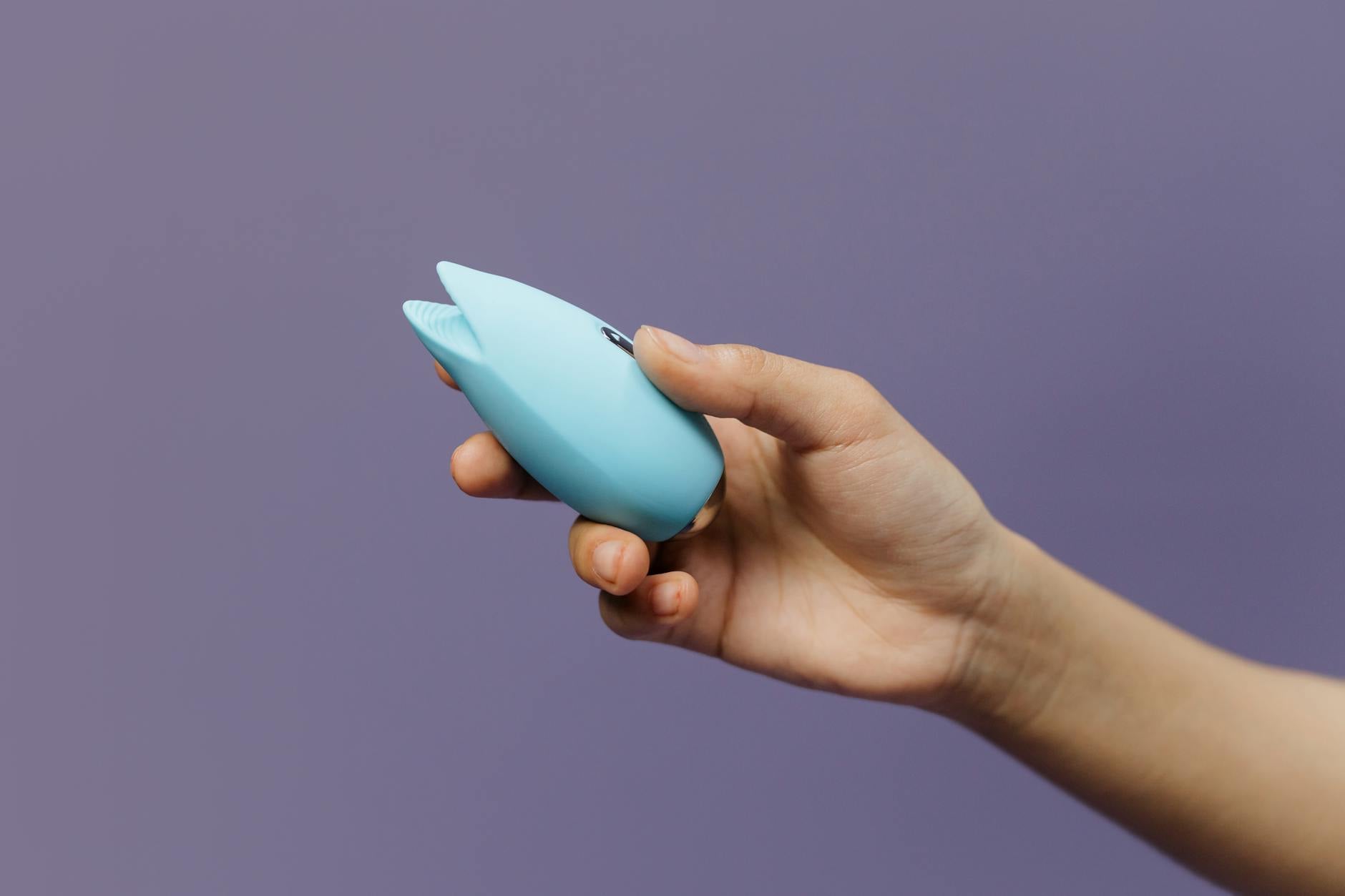
The thing nobody tells you about vibrators and partnership
Here's the real talk. Introducing a vibrator into partnered sex feels like it should be awkward, but for most couples it's the opposite. It's not a replacement. It's not a sign that something's missing. It's often the first time both partners actually relax into the experience instead of performing it.
I've worked with hundreds of couples, and the ones who bring toys into their intimate life consistently report deeper connection, more honest communication, and better orgasms. The logistics part is simple. The emotional part is what actually matters.
The conversation comes first
You don't introduce a lemon vibrator mid-sex and hope for the best. You talk about it first. And I know that sounds unsexy, but it's not.
Here's how to start without it feeling clinical: "I've been thinking about trying something new. I read about this toy that's supposed to feel amazing. Would you be open to it?" That's it. You're naming the thing directly, but casually. You're giving your partner room to ask questions without pressure.
What comes next matters. If they say yes, great. If they hesitate, ask what they're worried about. Most hesitation isn't about the toy. It's about fear of inadequacy, worry that you're not satisfied, or just unfamiliarity. These are actually easy conversations once they start.
If they say no, that's fine too. The conversation itself is worth having because you've introduced the idea without shame, and people often circle back to yes once they've had time to sit with it.
Why a lemon clitoral vibrator specifically works for couples
A lemon vibrator like the Lem uses air-suction technology rather than traditional vibration. This matters for partnered sex for a few reasons.
First, it doesn't create a buzzing vibration that travels through the entire pelvic region. That means if you're inside your partner, you don't feel the vibration in a way that's distracting or uncomfortable. It's localized to the clitoris.
Second, suction-based clitoral stimulation tends to build arousal faster than vibration alone. That means less time spent warming up and more time actually connecting. Faster arousal also often means more intense orgasms, which benefits both partners.
Third, it's small and hands-free once you get the positioning right. You're not juggling a vibrator while also trying to move together. One of you holds it in place, or you hold it yourself, and your other hand is free to touch your partner.
Positions that actually work
The shape of a lemon vibrator makes some positions easier than others.
If you're receiving penetration: This is the easiest setup. Your partner can use one hand to hold the vibrator against your clitoris while entering you with the other. You get clitoral and internal stimulation at the same time, which for many people is the pathway to stronger orgasms. Start slow. Let your body adjust to the combination before ramping up intensity.
If your partner is receiving oral sex: This one's underrated. A lemon vibrator on the clitoris while you're using your mouth and hands is genuinely transformative. The different types of stimulation layer in a way that creates a pretty intense buildup. You control the vibrator, your partner controls nothing, and the experience is often more generous because of it.
Side-by-side positions: If you want to be face-to-face or close, side-by-side works. One partner uses the vibrator while you're joined, and you can stay connected at the eyes and mouth. This is the most intimate version, and a lot of couples find it changes the emotional tone of sex.
Hands-free vibration: Some people use a panty vibrator like the Pixie, which sits against the clitoris while both hands stay free for other things. This isn't specifically a lemon vibrator setup, but it's worth mentioning because hands-free means nobody's concentrating on holding anything.
Start with whatever position you already feel most connected in, and add the toy there. Don't overhaul your entire routine. The toy is the variable, not the whole equation.
How to actually use it without it feeling weird
Let your partner lead the first time. If you're the one bringing the toy into the relationship, hand it to them and let them figure out the angle and pressure. Your body will tell them what feels good through your breathing and response.
Once they understand the sensation, you can take over if you prefer, or you can stay in the passenger seat. Neither is better.
Start at a lower intensity. Most people's instinct is to jump to a high setting because they think that's where the magic is. It's not. Low intensity feels subtler and more pleasurable. You can turn it up, but you can't unfeel a setting that was too intense.
Keep talking, but casually. Not "is this okay?" every ten seconds. Just ongoing check-ins: "that's good, a little higher," or "slower." The more you narrate what you actually want, the easier it is for your partner to feel confident and connected instead of anxious about whether they're doing it right.
What happens to your relationship when you do this
This isn't overstated. Couples who communicate explicitly about pleasure almost always report improvements outside the bedroom too. You've practiced asking for what you want. You've practiced saying no without guilt. You've seen your partner being generous with your pleasure without taking it personally.
Those skills transfer. A couple who can say "let's try a vibrator" can say "let's go to therapy" or "I need more help with the kids" or "I'm not happy in this job."
You've also broken the idea that good sex should just happen naturally. It's a relief to discover that sex gets better when you make choices together and stay curious.
Common worries, sorted
Will they think I'm not satisfied with them? Talk about it directly. "I want this because I want to experience more pleasure with you, not because you're not enough." True statement, also true for most people who bring toys into partnered sex.
What if they want to use it and I don't? Totally fine. You can be the audience. Some partners prefer to focus on being touched rather than wielding the toy, and that's a valid role.
What if we get the positioning wrong? You will. It happens. Laugh about it, adjust, and keep going. This is supposed to feel collaborative, not like a performance.
What if one of us finishes too fast? That's what foreplay is for. Use the vibrator early in the experience, not as the final act. Gives your bodies time to reset and come together again.
When to bring in professional help
If you're struggling to communicate about this, or if one partner is firmly resistant and it's causing resentment, talking to a relationship therapist is worth it. This isn't a sign your relationship is broken. It's a sign you'd benefit from having a neutral third party help you practice these conversations.
Sex and pleasure often carry baggage from family, culture, religion, past relationships. A good couples therapist can help you untangle that without judgment.
The simple truth
You already know how to do this. You know how to communicate, be vulnerable, and try something new with someone you care about. A lemon vibrator is just the context where you get to practice these skills while everyone feels better.
Start with the conversation. Pay attention to your partner's actual feelings, not your anxiety about their feelings. Choose a position you already like. Use the toy slowly. Keep talking. See what happens.
Most couples find that this becomes their favorite part of their intimate life, not because the toy is magic, but because they're actually connected while using it.