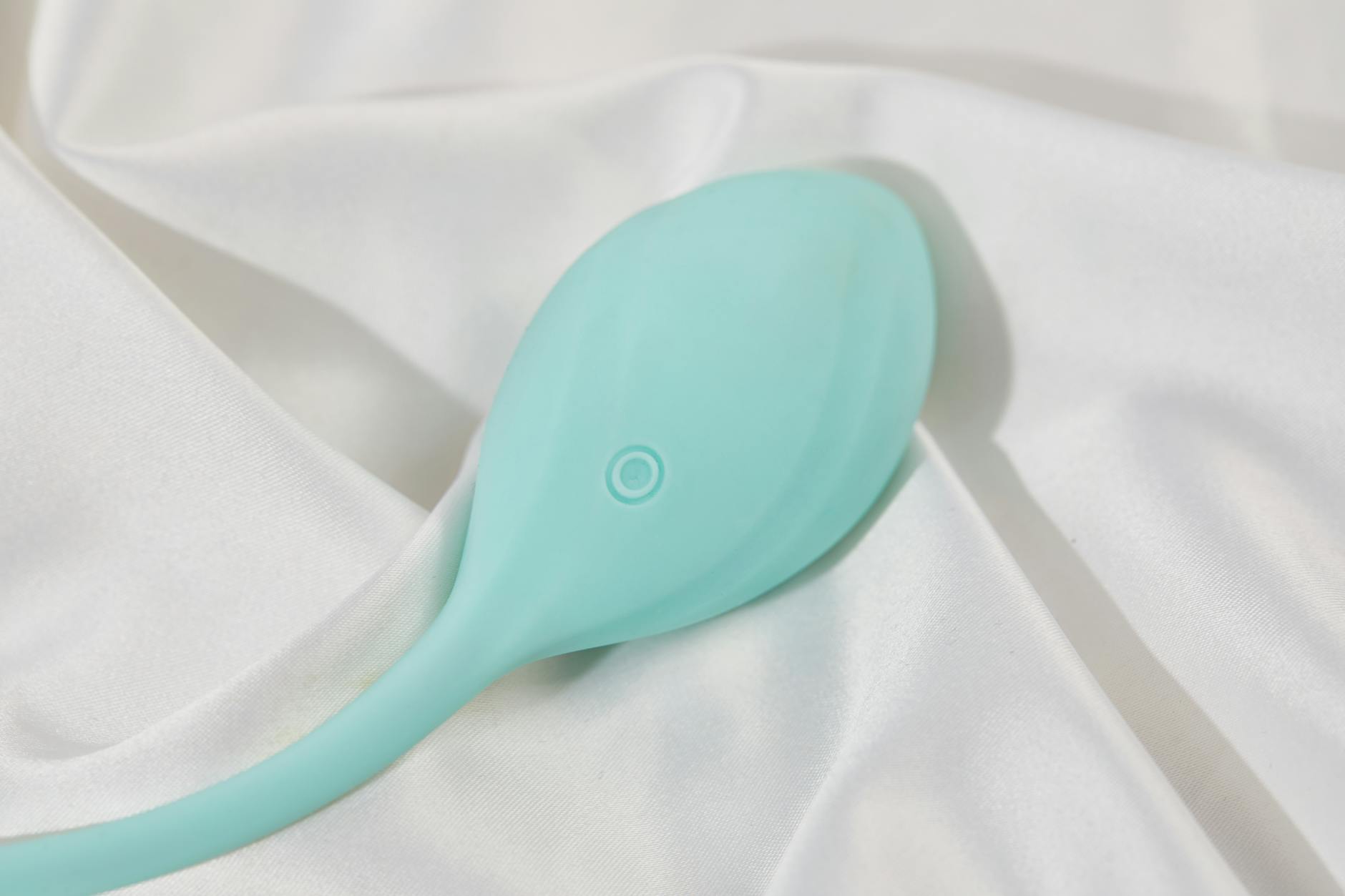
Why Lemon Vibrators Feel Different for Women Over 50
Let's be real. Pleasure doesn't end at 50. But the way your body responds to it absolutely changes. And because nobody talks about this clearly, most women over 50 assume something's broken when really their body is just operating under different rules.
After 50, sensitivity shifts. Arousal takes longer to build. The tissue that responds to stimulation becomes thinner, which sounds like a problem until you understand what it actually means for how a lemon clitoral vibrator or any suction toy feels against your skin.
Here's the thing that changes everything: the sensation of a lemon vibrator at pattern 5 feels completely different at 55 than it did at 35. That's not a loss. It's information. And once you know what to expect, pleasure often gets sharper, not duller.
How tissue changes shift sensation
Estrogen production drops significantly after menopause. This affects the skin and mucous membranes in your genital area, making them thinner and more delicate. The clitoris itself doesn't shrink or lose nerve endings. But the surrounding tissue loses some of its cushioning.
What does this feel like? For many women, direct pressure feels sharper or slightly uncomfortable. That same vibration pattern that felt perfectly balanced at 45 might feel too intense at 55. This is why so many women tell me they think they've lost sensation entirely. They haven't. The sensation has shifted.
This is also why lemon vibrators, which use suction rather than direct vibration, feel so different after 50. Suction stimulates the clitoral complex without the same mechanical pressure on thinned tissue. The sensation is broader, less pointed. For many women over 50, it's actually more satisfying.
The arousal timeline expands (and that's a feature)
Before 50, your body could often move from zero to full arousal in 5 to 10 minutes. After 50, expect 15 to 25 minutes. This is annoying if you're not prepared for it. It's brilliant if you reframe it.
Longer arousal time means longer foreplay. It means more opportunity to experiment with what actually works for you instead of defaulting to the quickest path to orgasm. Many women I work with tell me their orgasms after 50 are deeper or more full-bodied, partly because they've finally given themselves permission to spend that time.
A lemon suction vibrator shines here. You can use it at lower intensities during a longer warm-up and feel the sensation building steadily. The gradual intensity curve works with your body's timeline instead of against it.
Vaginal lubrication changes, and it's manageable
Menopause means less natural lubrication. This is the part everyone talks about and usually catastrophizes. Here's the honest assessment: it's real, it's not a personal failure, and it's wildly solvable.
Water-based lubricant is your friend. Not because something's wrong with you, but because thinner tissue appreciates the additional slip. Silicone-based lubes feel richer, but they can degrade silicone toys over time, so stick with water-based when using a lemon clitoral vibrator or any silicone toy.
Many women also find that their bodies produce more natural lubrication once they start exploring pleasure regularly. Use it or lose it is crude, but there's truth there. Regular stimulation actually helps maintain vaginal health and natural lubrication capacity.
Orgasm quality often improves after 50
This deserves its own section because it contradicts so much of what you've been told. After 50, orgasms frequently feel different. Stronger. More localized or sometimes more diffuse, depending on the woman. Longer lasting.
Why? Several reasons converge. Your brain has decades of experience with what feels good. You're likely past the point of performing for a partner. You've stopped waiting for permission to prioritize your own pleasure. Neurologically, your brain has mapped your pleasure landscape in ways it simply hadn't at 30.
Add a tool designed for clitoral pleasure like a lemon suction vibrator, and many women report orgasms that feel more intense than anything they experienced in their 30s and 40s. This isn't spiritual bypassing. It's what actually happens when you combine biological knowledge, emotional permission, and the right technique.
Pelvic floor changes and what helps
Estrogen supports pelvic floor tone and elasticity. Less estrogen means the pelvic floor can become tighter or lose some of its coordination. This can affect sensation and orgasm intensity in ways that feel confusing if you're not expecting them.
Two interventions help. First, pelvic floor physical therapy if you have any pain or significant changes in sensation. A good pelvic floor PT can assess whether your muscles are holding too much tension or losing coordination, and they can guide you back to comfort.
Second, learning to relax your pelvic floor intentionally. Kegels get all the attention, but the ability to fully relax your pelvic floor is equally important, especially as tissue changes. A lemon vibrator used alongside intentional pelvic floor relaxation often creates sensations that feel completely new after 50.
Why intensity matters less than pattern diversity
Most vibrators offer a range of intensities. After 50, many women find they live in the lower to mid-range intensities instead of maxing out. This sounds like a downgrade. It's actually an upgrade because it opens up the entire world of patterns.
A lemon clitoral vibrator has eight distinct patterns. At lower intensities, all eight feel completely different from each other. At maximum intensity, patterns blur together. So actually, having a wider working range of patterns available means more variation, more novelty, more ways to find orgasm on any given day.
This is why women over 50 who switch to suction vibrators often report higher satisfaction. They're not chasing maximum intensity. They're exploring the subtlety of different patterns at different intensities.
Hormonal fluctuations don't end, they shift
You probably think hormonal fluctuation ends after menopause. Not exactly. Testosterone can fluctuate. Cortisol patterns change. Thyroid function sometimes shifts. All of these affect arousal and sensitivity.
Tracking when you feel most responsive is useful after 50 in ways it might not have been before. Some women feel most aroused in the morning. Others, later in the evening. Some notice a pattern around stress levels or sleep. Understanding your own rhythm becomes more important because the rhythm becomes less predictable.
When to seek help
If you're experiencing pain during sex, talk to a menopause-trained gynecologist or pelvic floor specialist. Genitourinary syndrome of menopause is real and highly treatable. Topical estrogen creams work quickly and have minimal systemic absorption.
If you've completely lost interest in sex and want it back, that's worth discussing with a healthcare provider too. Sometimes it's hormonal. Sometimes it's relational. Sometimes it's both. But it's not inevitable, and there are options.
If you're trying a lemon clitoral vibrator for the first time and the sensation feels too sharp, that's not a sign to give up. It's a sign to use it at lower intensities, pair it with more lubricant, or try a pattern you haven't explored yet. The tool isn't wrong. Your body is just asking you to adjust.
The reframe that changes everything
Pleasure after 50 isn't a smaller version of pleasure before 50. It's a different thing entirely. Your body has new rules. Some feel restrictive at first. But most women who work with those rules instead of against them find that their most satisfying sexual experiences happen after 50.
This happens because you've stopped apologizing for your own pleasure. Because you know your body well enough to ask for what works. Because you have tools like a lemon suction vibrator that's specifically designed to work with how your body responds now, not how it responded decades ago.
The women having the best sex after 50 aren't the ones pretending nothing changed. They're the ones who learned how to work with their body's new language.
FAQ
Can you still have strong orgasms after 50?
Absolutely. Many women report their strongest orgasms happen after 50. Orgasm intensity after menopause often feels different—sometimes deeper, sometimes more localized—but not weaker. This happens because you have more experience with your body, more permission to prioritize pleasure, and a more mature understanding of what works for you. Adding a tool designed for your body's current sensitivity, like a lemon clitoral vibrator, often amplifies this.
Why do vibrators feel different after menopause?
Tissue thinning from lower estrogen changes how direct stimulation feels. A vibration pattern that felt balanced at 40 might feel too sharp at 55 on thinned tissue. This is why suction-based lemon vibrators often feel better after menopause. They stimulate the clitoral complex through suction rather than direct vibration, which works beautifully with how your body responds now. It's not that vibrators stop working. It's that your body needs you to adjust the approach.
How long does arousal take after 50?
Expect 15 to 25 minutes instead of 5 to 10. This feels annoying until you reframe it as more foreplay time. Longer arousal actually creates space to explore different sensations and patterns with a lemon suction vibrator, which many women find creates more satisfying orgasms. Your body isn't broken. It's asking you to slow down.
Should you use lubricant with a lemon vibrator after 50?
Yes. Water-based lubricant helps thinner tissue feel more comfortable and helps a lemon clitoral vibrator glide more smoothly. It's not because something's wrong with you. It's because thinner tissue benefits from additional slip. Keep water-based lube nearby. It makes a huge difference in comfort and sensation.
Can menopause affect orgasm ability?
Menopause changes how orgasms feel, not whether you can have them. Some women report longer orgasms, some report more intense ones, some notice a shift in where they feel the sensation. Pain during sex or complete loss of arousal are worth discussing with a healthcare provider, as they're often very treatable. But the ability to orgasm itself usually stays intact.
What intensity should you use on a lemon vibrator after 50?
Start low. Most women over 50 find their sweet spot at patterns 1 to 4 rather than maxing out. This isn't a loss. Lower intensities let you feel the full range of different patterns, which creates more variety and more options for reaching orgasm on different days. Let your body guide you. It will tell you what works.
The bottom line
Pleasure after 50 is different. Different doesn't mean worse. For most women willing to explore it with honesty and the right information, it means richer, more intentional, and often more satisfying. Your body has changed. Your tools should too. A lemon suction vibrator designed for how your sensitivity works now can transform the experience from something you think you've lost to something you're actively discovering.