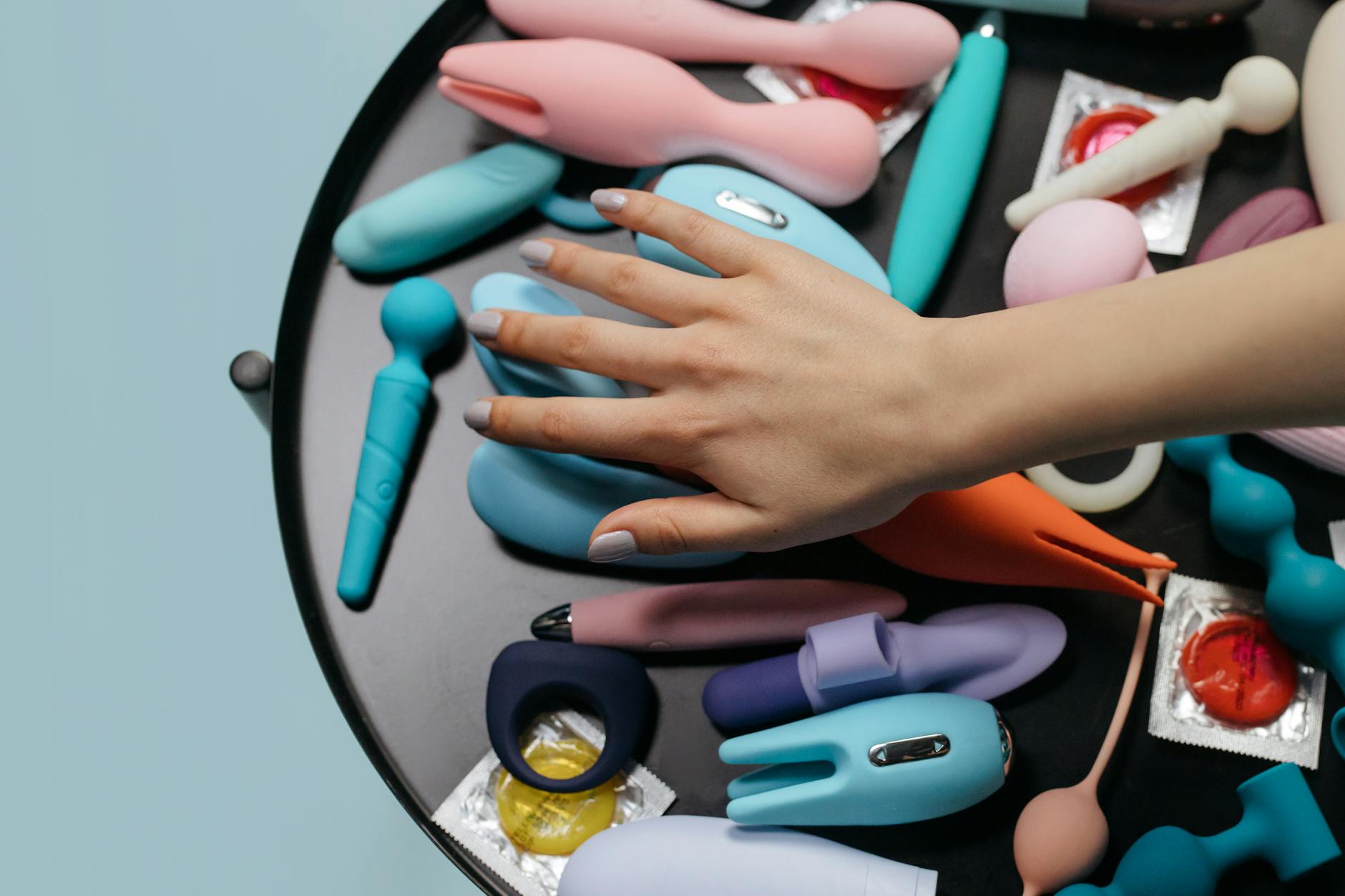
Introducing a clitoral vibrator, lemon vibrator, or any adult toy to someone you're newly involved with feels risky. You don't know how they'll react. You don't want to make them feel inadequate. You're worried they'll think you're too forward, not forward enough, or that you're asking for something they can't give.
Here's what I've seen in my practice over twenty years: the anxiety almost always exceeds the actual awkwardness. People are less fragile than we think. And honestly, the partners worth keeping are the ones who can hear "I want to try something" without turning it into a referendum on their manhood or femininity.
Let's talk about how to do this without theater, shame, or three hours of buildup.
Don't bring this up mid-sex. Don't text it cold. Don't wait until you've been together six months and suddenly spring it out of nowhere, which reads as "I've been thinking about this the whole time."
The sweet spot is usually two to four weeks in, after you've had physical chemistry but not so early that you're still in pure novelty mode. This is the window where both of you are relaxing into each other and can actually talk.
Pick a low-stakes moment. Not after sex when everyone's vulnerable. Not before bed when they're tired. Try during a normal conversation, maybe over coffee or while you're doing something else. Movement often makes vulnerability easier. I've seen the best toy conversations happen during walks.
Forget scripts. But here's the shape of what works:
Start with something true about you, not about them. Not "you're not getting me there" (true or not, they will hear it as criticism). Try something like:
"I've been thinking about trying something with you. I have this toy I really like, and I think it could be fun to explore together." Or: "I'm really into you, and I want to tell you something I enjoy that I'd love to include when we're together."
Then stop. Let them ask questions. Most people's first question is mild curiosity, not panic. They want to know what it is, what it feels like, why you like it.
If they ask, "Do I not do it for you?" (the deeper worry), answer the actual concern: "You absolutely do. This isn't about replacing you. It's about adding something that feels good to me. Some people love wine and coffee. That doesn't mean they don't like tea. It's just different."
If they say no or "I'm not ready," the answer is: "That's totally fair. Let me know if you change your mind." Then actually let it go. Don't sulk. Don't push. Nothing kills sexual freedom faster than pressure masked as understanding.
If they're open, the best thing you can do is demystify it. Let them hold it. Show them how it works. This is not sexy. That's the point. You're removing the mystery and the shame.
Say something like: "It's pretty simple. You turn it on, and it does this." Run it on your arm so they can feel the sensation without it being about you. A lemon vibrator or lem vibrator works differently than a traditional vibrator because it uses suction rather than buzz, so actually showing them the mechanism helps.
If you have a Hello Nancy toy like the Lemon, explain that it's gentler than traditional clitoral vibrators. Some partners find this reassuring. It positions the toy as thoughtful, not aggressive.
Here's something I tell couples in my practice: toys are not a sign that something is wrong. They're a sign that something is right. You're interested in your own pleasure. That's healthy. That's mature. That's exactly what long-term relationships need.
Some partners will worry that this means you want less of them, or that you prefer the toy. Address this directly: "I like this because it feels a specific way. I like you because you're you. Those aren't competing things."
If your partner is interested in being involved, explain what you'd enjoy. Maybe you want them to use it on you. Maybe you want to use it during partnered sex. Maybe you want them in the room while you use it. Be specific. Vagueness creates anxiety.
Some partners need time. Some are afraid they'll do it wrong. Some have been raised with messages that toys mean failure. Some are just not there yet, and that's information too.
If they seem interested but nervous, lower the stakes: "We don't have to do anything today. I just wanted you to know it's something I enjoy, and I wanted to include you in that." This shifts it from performance to intimacy, which it actually is.
If they're not interested and won't budge, you have real information about what this relationship can hold. I'm not saying end it over a toy. I'm saying a partner who can't make space for your pleasure, even in small ways, is showing you something important about how they'll handle bigger intimacy needs down the road. Pay attention.
If you both agree to try, the next step is removing performance pressure. You're not putting on a show. You're exploring something together.
Start slow. Use it on yourself first while they watch, so there's no pressure on them to make something happen. A lemon clitoral vibrator like the one from Hello Nancy is intuitive. You set the pattern, you know what feels good, and they get to see you enjoy something.
If you want them to use it on you, give them feedback. This is practical and hot. "A little slower" or "That feels amazing" is information and arousal at once.
The first time might feel a bit awkward. That's normal. You're both learning something new together. Second time is usually better because you both know what to expect.
This doesn't need to be a one-time talk. As you get to know each other better, these conversations become easier. Some partners will get curious about trying things themselves. Some will develop preferences about how and when you use toys together. Some will prefer you use your toy alone.
All of that is fine. The point is that you've opened a door where you can talk about pleasure without it being scary.
Speaking from a relationship perspective, couples who can talk openly about desire, toys, and pleasure tend to have stronger overall communication. You're practicing asking for what you want in a low-stakes way. That skill transfers everywhere.
You can't know until you ask. But people who seem sex-positive, who talk about pleasure without shame, who ask you questions about what you like—those are usually good signs. Someone who makes jokes about bodies or sex, or who seems uncomfortable with the topic in general, might need more runway. But the only real way to know is to bring it up and watch how they respond.
You respect that. If it's a dealbreaker for you, then you have information that this isn't the right match. If you can live with it, then you don't bring it up again unless they do. Don't passive-aggressively deny them sex or act like they've hurt you. That's not consent either.
A lemon clitoral vibrator from Hello Nancy works well for couples because it's not intimidating. The suction-based design feels different from traditional vibrators, so partners often find it less threatening. It's also intuitive to use, which matters when someone's nervous about technique.
Tell them. "I love that you want to be involved. I actually prefer using this by myself because I know exactly what I like." You can still be intimate while using it—they can be touching you, or you can be having sex, or they can just be present. There are many ways to share the experience without someone else operating the toy.
That's up to you both. Some couples love the integration—adding the toy during penetration or partnered touching. Some prefer separate use. Some do both depending on the day. There's no rule. What matters is that you're communicating about it and nobody feels pressured.
Direct is better than mysterious. "Hey, I've been wanting to talk about something. I have this toy I really like, and I'd love to explore using it together." The longer you wait, the more you might build it into something big. Just say it. Most partners appreciate the honesty.
Introducing a lemon vibrator, lem vibrator, or any adult toy to a new partner is a moment of vulnerability. But it's also an opportunity to practice asking for what you want and to build a relationship where pleasure is something you talk about, not something you hide.
The right partner will meet you there. And if they don't, you've learned something useful about whether this is someone who can hold the fullness of who you are.
Start the conversation. Keep it simple. Watch how they respond. That will tell you everything you need to know.