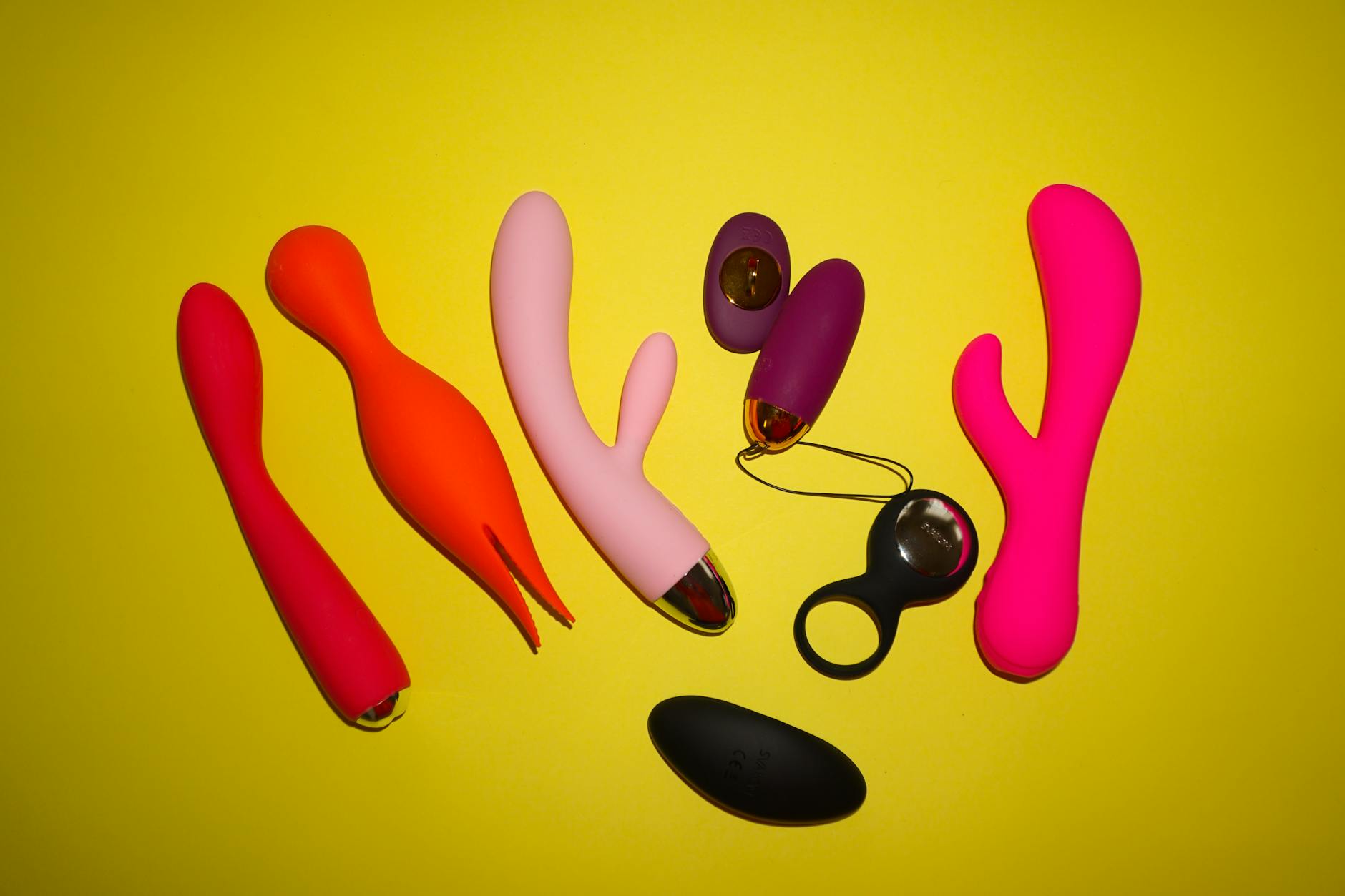
Let's talk about the thing nobody mentions at the pharmacy
Your medication didn't ask permission before it changed how you experience pleasure. SSRIs, blood pressure meds, antihistamines, birth control, even some thyroid medications rewire arousal in ways that feel completely unrelated to what you're taking. You took the pill to fix one thing. Your sexuality paid the cost. That's not weakness, a sign of low desire, or something you need to accept as the new normal.
It's a side effect. And it's wildly reversible.
What medications actually do to arousal
Most medications don't kill libido directly. They interrupt the chain reaction that leads to pleasure. SSRIs (selective serotonin reuptake inhibitors, used for depression and anxiety) are the biggest culprits. They increase serotonin in your brain, which is great for mood. But serotonin also suppresses dopamine, the neurotransmitter that drives desire and makes orgasms feel intensely good.
Other common offenders:
Antihistamines (Benadryl, allergy meds) dry out your entire system, including genital tissue. Without natural lubrication, arousal feels flat, and stimulation can feel irritating instead of pleasurable. Blood pressure medications reduce blood flow to the genitals, which means less engorgement and slower arousal. Birth control pills suppress testosterone (yes, people with vulvas need it too) and can flatten both desire and sensation. Some thyroid medications and anti-anxiety drugs do similar work.
The pattern: arousal becomes slower, weaker, or just absent. Orgasms take longer or don't arrive at all. What used to feel good feels muted.
Here's what matters: your body didn't break. Your medication is working. And you can still have incredible pleasure. It just requires a different approach.
Why a clitoral vibrator changes the equation
Imagine arousal as a volume dial. Medications turn it down to 2 or 3. Your brain and body want to reach 8 or 9, but the distance feels impossible. A lemon vibrator like the Lem doesn't fight your medication. It amplifies what's still there.
Clitoral vibrators, especially ones designed with suction technology, work because they bypass some of the physiological obstacles medications create. They don't rely on natural lubrication to feel good. They don't require strong blood flow or deep engorgement. They provide direct, intense stimulation to nerve-rich tissue in a way your hand (or a partner's hand) might not, especially if your sensitivity has flatlined.
Think of it this way: if your body's arousal system is running at half speed, you need a tool that doesn't wait for that system to fully activate. A lemon clitoral vibrator is that tool.
Starting over with sensation when medication has muffled it
Begin without the expectation of orgasm. Seriously. Put that goal away for now.
Instead, spend 10-15 minutes exploring sensation at the lowest settings on your vibrator. Many people taking medications that suppress arousal have never actually felt what a clitoral vibrator does, because they were expecting it to feel like pre-medication arousal felt. It won't. It feels like something new.
Start with the Lem on pattern 1 or 2, or an equivalent low setting on any clitoral vibrator. Touch it to different areas of your vulva, not just the clitoris. The inner labia, the area around the opening, the perineum. Notice where sensation registers without judgment. Some areas might feel numb. Others might surprise you.
This sounds unglamorous, but it's the most important step. You're gathering data about your current body, not trying to perform arousal.
After a week or two of this groundwork, try the same exploration for 15-20 minutes and notice whether sensation is building, even subtly. If it is, you've found something your body is responding to. Stick with it. If not, try a different pattern or setting. Some people find that moderate-intensity, steady pulses feel better than high-intensity or rhythmic patterns when medications are involved.
The lubrication question when medication dries you out
Antihistamines are especially notorious for this. You might feel zero natural lubrication, even during exploration or arousal. That's not an obstacle. It's just information.
Use a water-based or silicone-based lubricant generously. I mean generously. Not because you're broken, but because a slippery surface lets your vibrator do what it's designed to do without any drag or friction that might feel unpleasant. Reapply every 10-15 minutes.
This single change has transformed pleasure for people on antihistamines or blood pressure meds. The vibrator goes from feeling uncomfortable to feeling genuinely good because you're removing a physical barrier.
When to talk to your doctor about switching
Not all people and not all bodies respond the same way to the same medication. If your current antidepressant flattens arousal, a different SSRI might not. Bupropion (Wellbutrin), for instance, is less likely to suppress dopamine than sertraline or paroxetine. Some people who switched medications regained sensation within weeks.
Your doctor won't know you're struggling with this unless you tell them. Bring it up. Say: "This medication is working well for my [depression/anxiety], but I've noticed a significant change in sexual response. Are there alternatives I could try?"
That's not complaining. That's advocating for your whole life, including the parts that matter to you.
If you can't or don't want to switch, you can also explore whether dosage timing helps. Some people find that taking their SSRI at night instead of morning (with a doctor's permission) reduces daytime effects on arousal, or that taking it every other day instead of daily preserves some sensation while still managing symptoms.
What a lemon vibrator can do that nothing else can
Partner stimulation gets physically exhausting. Your hand gets tired. Fingers go numb. The rhythm destabilizes. A partner might lose confidence if they're trying to please you and nothing is happening fast.
A vibrator is tireless. It maintains intensity and rhythm indefinitely. That matters when your body needs sustained, consistent stimulation to respond. It's not more intimate than partnered sex, and it's not a replacement. It's a tool that lets both of you relax into the experience without the pressure of performance.
For solo exploration, a clitoral vibrator is even more essential. You're not waiting for someone else to build arousal in you. You're directing your own pleasure, which means you can experiment with patterns, settings, pacing, and pressure without anyone's expectations in the room.
The timeline for reconnecting with pleasure
This isn't instant. If your medication has flattened sensation for months or years, rebuilding arousal takes patience. Most people see shifts in 2-4 weeks of regular exploration. Orgasms might return in 4-8 weeks. Some take longer.
The key is consistency without pressure. Explore your body with a vibrator 3-4 times per week, not as a goal-oriented mission but as a conversation with what's still responsive. Celebrate small shifts. Notice when something feels better than last week, even if it's not yet where you want it.
You're not broken. Your medication isn't proof that you're broken. Your body is responding normally to a chemical change. And pleasure is still available to you. It just looks different now, and that difference is worth exploring.
People also ask
Can I use a lemon vibrator if I'm on antidepressants?
Absolutely. Many people on SSRIs have reclaimed orgasms and arousal with the right vibrator. The key is giving yourself permission to explore without the expectation that your body will respond the way it did before medication. Start at low settings and be patient. Sensation often returns gradually once you're consistently stimulating the clitoral area with a tool that provides enough intensity to break through the dampening effect of the medication.
How long does it take for sensation to come back after starting a vibrator?
Most people notice shifts in 2-4 weeks of regular use, though some experience changes faster and others take 2-3 months. It depends on how long the medication has been affecting you, what you're taking, and how your individual body responds. Think of it as retraining your nervous system, not flipping a switch. Consistency matters more than intensity.
Is it normal to need a vibrator now when I never did before?
Yes, it's completely normal when your medication has altered your arousal system. Your body is responding predictably to a chemical change. A vibrator isn't a permanent crutch. Many people find that once they've rebuilt sensation and arousal pathways with a vibrator, they can occasionally enjoy other forms of stimulation more easily too. But even if you need one long-term, that's fine. Your pleasure matters.
What if a vibrator doesn't help at all?
If you've tried consistent exploration over 4-6 weeks at various settings and feel nothing, talk to your doctor. You might need to switch medications, adjust dosage timing, or address another factor (like low testosterone or thyroid dysfunction) that's contributing. Sometimes the medication itself isn't the only culprit. A doctor who specializes in sexual health can run bloodwork and help you troubleshoot.
Can my partner use a vibrator on me if medication has flattened my arousal?
Yes. Some people find that having a partner involved in the exploration feels more intimate, especially if you've experienced pressure around sexual performance. You can guide them through what settings and pacing feel good, which also gives you more control and feedback. Others prefer solo exploration first to figure out what works without anyone watching. Both approaches work.
Will I eventually not need the vibrator if I switch medications?
Maybe, maybe not. Some people who switch to medications with fewer sexual side effects regain natural arousal and orgasm without a vibrator. Others find they still prefer the vibrator because the intensity and consistency work better for their body. There's no "right" answer. If something gives you pleasure and doesn't hurt you, using it is the right choice, medication or not.