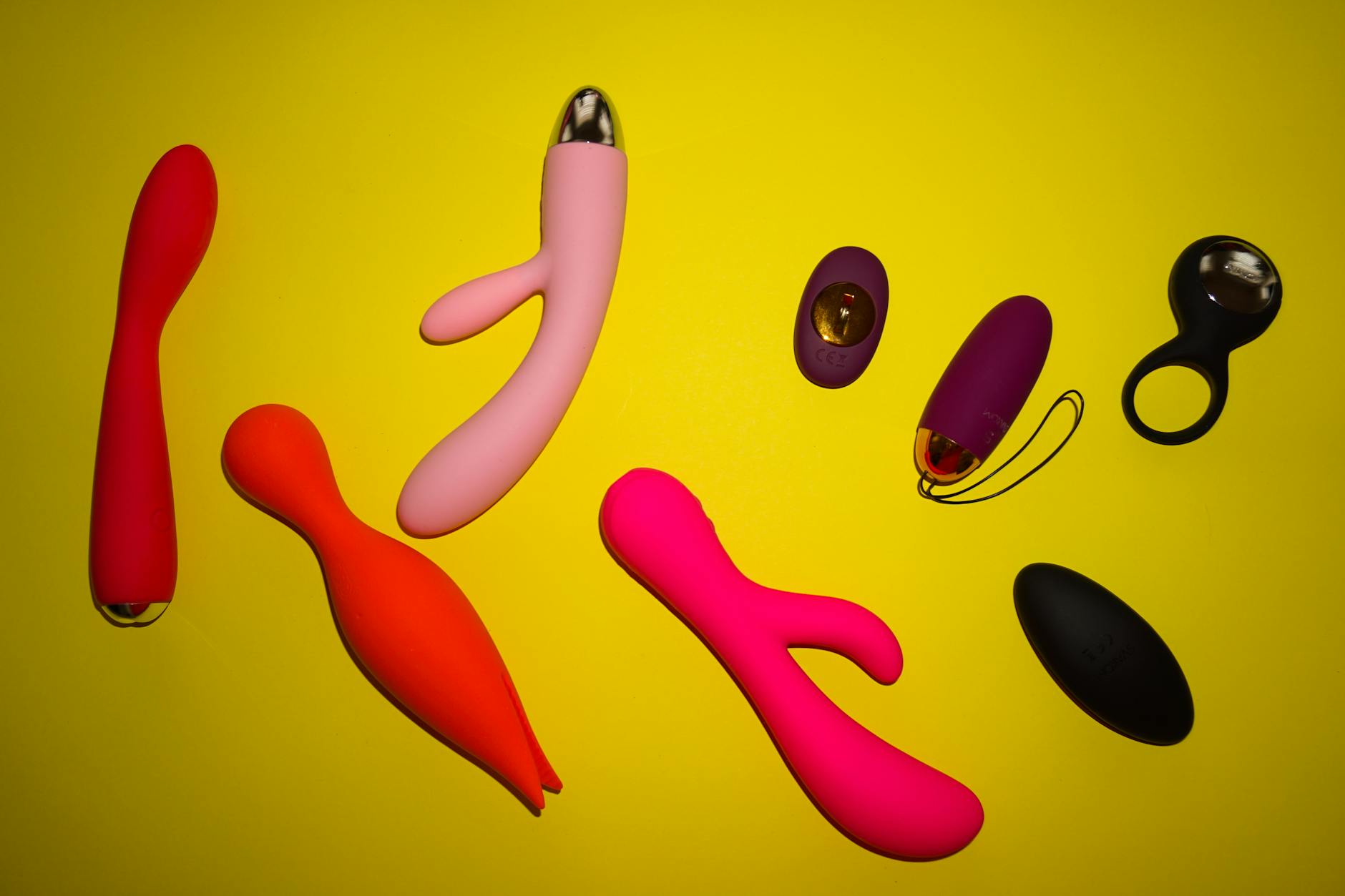
When your clitoris feels like it's screaming
Let's be real. You're not broken if direct touch feels like too much. Clitoral hypersensitivity is wildly common and almost never gets discussed, which means most people assume they're weird instead of understanding what's actually happening in their body. The truth is simpler and more fixable than you think.
Hypersensitivity happens. It shows up after hormonal shifts, during high stress, post-surgery, or sometimes just because your nerve endings are wired that way. The problem isn't your clitoris. The problem is friction.
Why direct touch becomes unbearable
Your clitoris has roughly 8,000 nerve endings concentrated in a tiny area. When those nerves are already activated or inflamed, direct pressure or friction feels like someone's touching a bruise. Add vibration on top of friction, and the sensation tips from pleasure into pain or irritation.
This gets worse with traditional vibrators because they rely on high-frequency friction against tissue. You're pressing a buzzing toy directly against hypersensitive skin, which is basically the opposite of what your nervous system needs right now.
The mechanical model of vibration assumes more contact equals more pleasure. Wrong. When tissue is inflamed or overstimulated, more contact is just more pain.
The neuroscience of suction versus friction
Here's where lemon vibrators, specifically the Lem, change things. Suction-based stimulation works differently than friction vibration at the neural level.
When you apply gentle suction, you're not grinding against tissue. You're creating a seal and pulsing pressure. This activates different nerve pathways. Instead of the sharp, raw sensation of friction, suction creates a deeper, more distributed pressure response. It's the difference between someone poking you repeatedly versus someone holding steady pressure with gentle waves.
For hypersensitive tissue, this distinction matters wildly. The Lem's suction design means the stimulation doesn't require direct, sustained contact with your most sensitive spot. The seal does the work. Your clitoris responds to the pressure change, not to friction against nerve endings.
This is why people with hypersensitivity often report that the lemon clitoral vibrator feels better than traditional vibrators, even on the lowest settings.
What causes clitoral hypersensitivity in the first place
Several things can trigger it:
Hormonal fluctuations. Estrogen, progesterone, and testosterone all affect tissue thickness and nerve sensitivity. During certain points in your cycle, or after hormonal shifts like menopause, your clitoris can feel rawer. You're not imagining it.
Pelvic floor tension. If your pelvic floor muscles are constantly clenched, your clitoris stays in a heightened state of activation. The nerves are already firing. Any additional stimulation feels like overkill.
Inflammation from infection or irritation. Yeast infections, bacterial imbalances, or even irritation from a partner's stubble or condom material can leave tissue inflamed for days or weeks after the initial irritant is gone.
Anxiety and stress. Your nervous system stays in a heightened state when you're stressed. This makes all sensation more intense, including the uncomfortable kind.
Recovery from trauma or surgery. Tissue damage takes time to heal. Nerve sensitivity is part of that healing process. It feels terrible, but it's actually your body protecting itself.
Natural variation. Some people just have denser nerve clusters in their clitoris. You're not oversensitive. You have sensitive tissue. Different thing.
How to use a lemon vibrator when touching feels raw
If you have a Lem or similar lemon suction vibrator, here's the protocol:
Start with an empty cup. Don't engage the suction yet. Just hold the device against your clitoris gently, with no stimulation. Let your nervous system register that this is safe.
Turn on the lowest setting. We're talking pattern 1 or 2, barely audible. The goal right now is sensation, not intensity. If it feels like too much, turn it off and wait five minutes.
Keep the seal loose. You don't need a tight seal for suction to work. Light contact is actually better when tissue is hypersensitive. You're going for gentle pressure, not a vice grip.
Use lube. Even though suction devices don't require it, a tiny amount of water-based lubricant creates a smoother seal and reduces any drag sensation. This small addition makes a huge difference for sensitive tissue.
Start with your underwear on. Seriously. An extra layer of fabric between the device and your skin softens the sensation. Once you're comfortable, you can remove it. But there's zero shame in keeping your underwear on for the first few sessions.
Budget 20+ minutes. Arousal takes longer to build when tissue is hypersensitive. Your clitoris needs time to warm up and for your nervous system to relax into the sensation.
Treat it like meditation. This isn't about reaching orgasm fast. It's about slowly rewiring your nervous system to recognize suction as pleasure instead of threat. Some sessions you'll orgasm. Some you won't. Both are wins.
When to scale up intensity
Don't rush this. Your clitoris will tell you when it's ready for more.
You'll notice the shift when direct touch stops feeling raw and starts feeling warm. When lower settings feel good instead of just tolerable. When you're genuinely interested in higher patterns instead of just trying to push through.
That's when you can experiment with patterns 3, 4, or 5. Even then, you might never need anything higher. Some people find their sweet spot at pattern 2 and stay there forever. That's perfectly fine.
The goal isn't to eventually use the highest setting. The goal is to reconnect with pleasure without pain.
What to do if it still feels too intense
If even the lowest setting on a lemon vibrator feels overwhelming, you have options.
Indirect stimulation. Hold the Lem near your clitoris but not directly on it. Stimulate the mons pubis or the sides of your vulva. Your clitoris responds to nearby stimulation without direct contact.
Through fabric. Keep your underwear or a thin towel between the device and your skin. This mutes the sensation without removing it entirely.
Combine with relaxation. Use the vibrator for just 30 seconds, then pause for 30 seconds. Breathe through the pauses. This gives your nervous system time to process the input without becoming overwhelmed.
See a pelvic floor therapist. If hypersensitivity is severe or persistent, pelvic floor tension is often the culprit. A therapist can teach you how to relax those muscles, which often reduces clitoral sensitivity dramatically within a few weeks.
Talk to a doctor. If touching feels painful rather than just uncomfortable, get it checked. You might have inflammation, nerve damage, or a condition like vulvodynia that responds really well to treatment.
The permission piece
Honestly, the hardest part isn't the technique. It's giving yourself permission to go slow. We're taught that orgasms should be quick and easy, especially if you have a partner. Hypersensitivity forces you to slow down and actually pay attention to what feels good instead of what's supposed to feel good.
That sounds like a burden. But it's actually freedom. You're learning your body's real limits and real preferences instead of powering through discomfort.
Using a lemon clitoral vibrator when you have hypersensitivity isn't a workaround. It's the right tool for your body right now. The suction-based design of the Lem respects your sensitivity while still delivering intense pleasure. You don't have to choose between feeling good and feeling safe.
FAQ
Can I use a regular vibrator if I have sensitive tissue?
You can, but you'll likely be fighting your body the whole time. Traditional vibrators rely on friction, which is exactly what hypersensitive tissue hates. Suction-based designs like lemon vibrators sidestep the problem entirely by using pressure waves instead of friction. Try one if you have access to it. The difference will surprise you.
How long does clitoral hypersensitivity last?
It depends on the cause. If it's hormone-related, it might shift with your cycle or settle down within a few months of menopause. If it's from a pelvic floor issue, pelvic floor therapy can help within 4-6 weeks. If it's inflammatory, reducing irritants and seeing a doctor usually clears it within 2-3 weeks. If it's just how your body is wired, you're learning to work with it, not waiting for it to change.
Should I use numbing cream before sex if my clitoris is hypersensitive?
No. Numbing cream mutes pleasure along with pain, which defeats the purpose. You end up with neither sensation nor satisfaction. The goal is to recalibrate your nervous system, not numb it. Give yourself permission to use less intense tools, like a lemon vibrator on a low setting, instead.
Does my partner need to know I'm using a lemon vibrator because of hypersensitivity?
That's your call. Some couples find that transparency helps. You can frame it as "my body responds better to this right now, and I'm excited to explore what that means for us." Other people keep their personal pleasure practice private, and that's fine too. The only requirement is that you're doing this for you, not performing sensitivity for someone else's benefit.
Is hypersensitivity a sign that something is wrong with me?
No. Your clitoris is not malfunctioning because it has nerve sensitivity. You're not broken, you're not damaged, and you're not "too much" if direct touch feels overwhelming. Hypersensitivity is a signal that your tissue needs a different approach right now. That's information, not a diagnosis. Your body knows what it needs. The work is learning to listen.
Can hypersensitivity go away on its own?
Sometimes. If it's tied to a specific stressor or hormonal shift, it often resolves when that thing changes. But you don't have to wait and hope. Using tools that work with your sensitivity, like lemon vibrators, actually helps your nervous system downregulate faster than white-knuckling through discomfort. You're not avoiding the issue. You're treating yourself well while your body finds its way back to baseline.
You deserve pleasure that doesn't hurt
Hypersensitivity is frustrating. It interrupts pleasure, it complicates partnered sex, and it makes you question whether your body is even capable of feeling good. That's exhausting.
But the answer isn't to push through. It's to change your tools. A lemon vibrator, especially one designed around suction rather than friction, meets your body where it actually is right now. Not where you think it should be. Not where you used to be. Where it is today.
That permission matters more than the device itself. But the Lem vibrator gives you both at once. A tool that says your sensitivity is valid, and a design that actually works with it instead of against it.
If you're ready to try a different approach, start low and slow. Your clitoris will guide you. And if it doesn't, that's information too. You're learning something real about your body. That's always worth the time.