
When numbness starts to lift, everything changes
Let's be real. Clitoral numbness is one of the loneliest sensations you can experience. You touch yourself and feel... almost nothing. Or a distant, muted version of pleasure that doesn't match what you remember. Then one day, without warning, a spark comes back. A small tingle. An actual sensation that makes you catch your breath. And suddenly you're caught between relief and panic: what now?
That transition, the one where your body is waking back up, is where most people get stuck. You've spent months (or years) managing numbness. Your nervous system adapted. You learned not to expect feeling. Now your clitoris is sending signals again, and you don't know how to meet it halfway.
Here's what I tell my clients: sensation returning is not a green light to go back to your old rhythm. It's an invitation to start over.
Understanding what numbness actually is
Clitoral numbness doesn't arrive from one cause. It comes from medication (SSRIs and antipsychotics commonly numb sensation), hormonal shifts, pelvic floor tension so tight it compresses nerve endings, chronic stress that keeps your sympathetic nervous system locked in overdrive, or sometimes just years of the same stimulation pattern that desensitized you without you noticing it happening.
When sensation numbs, the nerve endings don't die. They go quiet. Your brain stops paying attention to signals that don't register as meaningful. So when your body starts sending stronger signals again, your nervous system has to relearn how to hear them. That's not instant. And it's not automatic.
This is why many people rush back to their old toys at old intensity levels once they feel the first hint of sensation returning. They've been numb for so long that feeling anything at all feels like a victory. They crank up the vibrator, desperate to confirm the numbness is really gone. Then sensation disappears again. Boom. Back to square one.
Sensation doesn't work like an on-off switch. It returns in layers.
The pattern of returning sensation
Most of my clients report this sequence: first comes a subtle tingle, often in response to very gentle stimulation. Then a warmth or flushing. Then texture comes online. You can suddenly feel the difference between patterns. Then intensity becomes noticeable. Then, finally, you get back to something that approximates what pleasure felt like before.
That whole arc typically takes 4 to 12 weeks if you're patient with it. Two to three weeks if you're not, and then you're back to numbness and wondering why you tried.
The good news is that tools like the Lem, a lemon clitoral vibrator designed with suction technology rather than traditional vibration, actually accelerate this process because suction wakes up different nerve endings than direct friction does. The bad news is that you still have to go slow enough for your nervous system to process the signals without overwhelming it.
How to restart with a lemon vibrator when sensation is returning
Pattern 1 only, no exceptions
If you've been numb, your first sessions with the Lem should be on pattern 1, the lowest and most gentle setting. This isn't cautious. This is smart. Pattern 1 is designed to introduce sensation without triggering the same nerves that got overwhelmed before. You're teaching your clitoris to speak again in whispers, not screams.
Start with 5 to 10 minutes maximum
Don't do a 30-minute session because you suddenly can feel again. Your nerve endings are delicate right now, like skin after a sunburn. They need small doses of stimulation with recovery time in between. Five minutes, then stop. Wait 24 hours. Do it again. This isn't frustrating. It's rebuilding.
Lubrication matters more than ever
When sensation is returning, tissue sensitivity is heightened. Water-based lubricant isn't optional. It buffers stimulation, it changes how the suction feels, and it makes the whole experience feel more grounded in pleasure and less in performance. Use generously.
The pause protocol
Here's a trick that works better than anything else I've seen. Stimulate for one minute on pattern 1. Stop. Wait 30 seconds. Feel what's happening in your body, your breath, your pelvic floor. Is there tension building? Is arousal moving slowly? Does it feel sustainable? Then go again for another minute. This trains your nervous system to notice sensation in real time instead of chasing an outcome.
Rebuilding trust with your body
When sensation has been numb for a while, you develop a secondary problem: you don't trust your body anymore. You don't trust that what you're feeling is real, or that it will last, or that you deserve it. That's not metaphorical. That's neurology. Your brain learned that sensation equals disappointment, so it stopped getting excited about pleasure signals.
Slowing down isn't just physical pacing. It's permission. You're telling your nervous system that sensation is safe again. That it's welcome. That you're not going to punish your body by expecting it to perform at the level it did before numbness.
Most of my clients find that this mental reset matters as much as the actual tool. The Lem is incredible, but your belief that your body can feel again is what actually heals.
What to expect in weeks 2 through 8
Week two, you might notice that pattern 1 starts to feel like something. Not overwhelming. But present. That's the moment when most people want to jump to pattern 2. Don't. Stay on pattern 1 for at least three full weeks. I know that sounds conservative. It's not. It's what it takes to rewire sensation.
Week four, you'll probably start noticing the difference between patterns on the Lem. Pattern 2 might feel noticeably different from pattern 1. Pause here. Spend a week comparing them. This is where your clitoris starts having opinions again. That's a beautiful thing.
Week six to eight, many people find they can extend sessions to 15 to 20 minutes and progress to patterns 2 or 3. But the key word is "many," not "all." Everyone's timeline is different.
Managing intensity anxiety
One of the hardest parts of this recovery is tolerating the temptation to go faster. You've been numb. The minute you feel something, the impulse to confirm it by cranking up intensity is enormous. It's almost irresistible.
Here's what I recommend: write down how you feel after each session. Not poetically. Literally: "Pattern 1 for 8 minutes, felt warmth in my clitoris, no numbness, arousal building slowly, felt safe." When you get the urge to speed up, read your notes from the previous week. You'll see the progress in writing. That's usually enough to keep you honest.
When sensation returns unevenly
Some people report that one side of their clitoris comes back online before the other. Or sensation returns on some days but not others. This is totally normal. Hormonal fluctuations throughout the month, stress, sleep, hydration, all of it affects how nerves fire. You're not losing progress. Your body is still integrating.
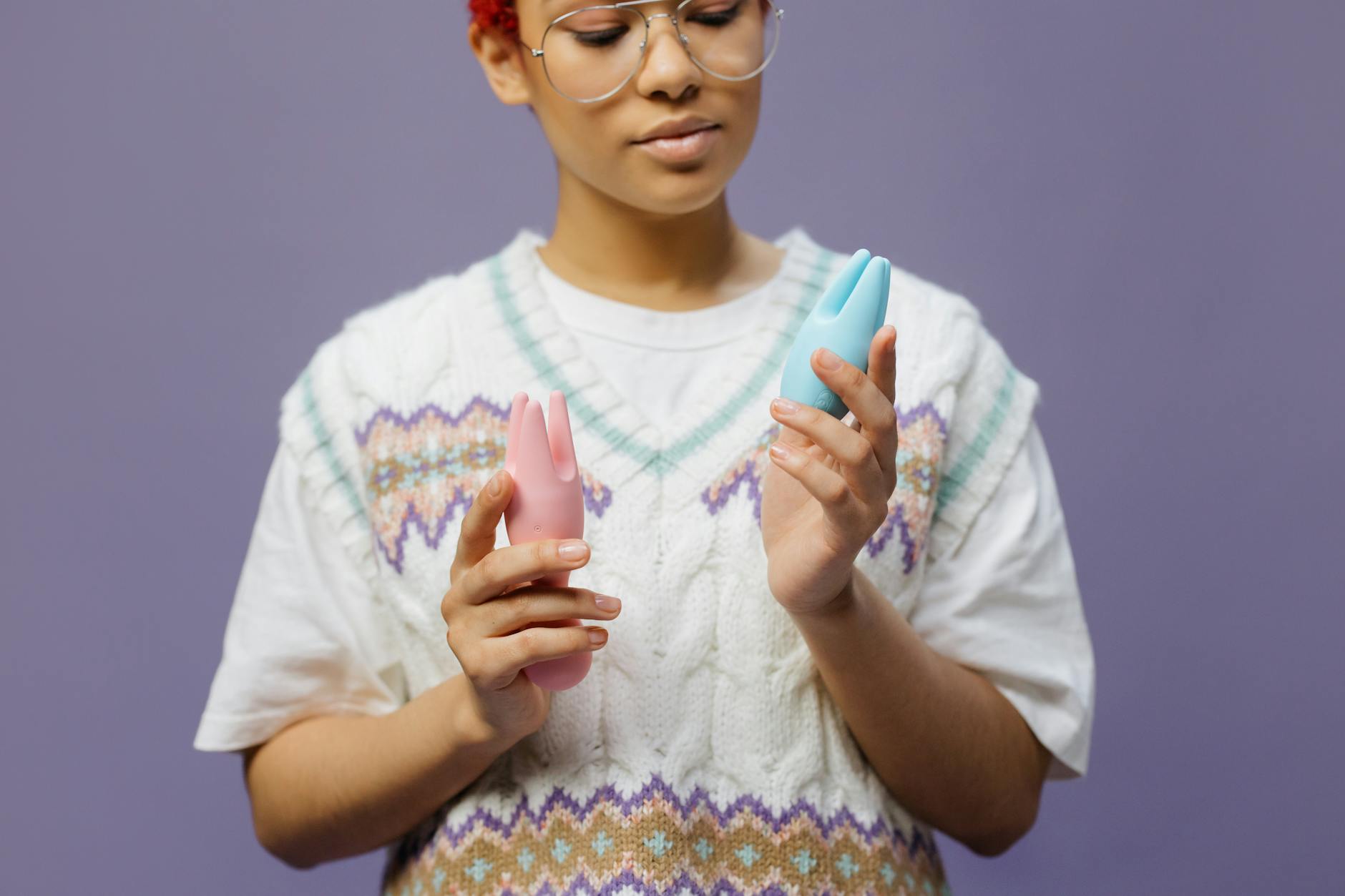
Photo by cottonbro studio on Pexels
The role of a partner during sensation recovery
If you have a partner, this is a conversation worth having early. "My clitoris is waking back up, and I'm going to go really slowly on purpose. This isn't about you or our connection. This is about me learning to feel safe with sensation again." A partner who gets that is an asset. A partner who misinterprets slowness as rejection is not.
Many couples use this phase to rebuild foreplay that doesn't lead to penetration. Touching, kissing, the Lem on pattern 1, then stopping. No expectation of orgasm. No goal except reconnection. That reframes the entire experience.
When to check in with a professional
If sensation was numbed by medication, talk to your prescriber about alternatives. SSRIs are not all equal. Some cause less sexual numbness than others. If you've been off the medication for weeks and sensation still isn't returning, a pelvic floor physical therapist can assess whether tension is still compressing nerves. If sensation returned but now feels painful, that's a sign to pause and see a gynecologist. Pain is different from numbness, and it needs different support.
For most people, though, the answer is time, patience, and a tool like the Lem that makes the process feel less clinical and more like pleasure. Your body knows how to feel. It just needs permission and space to remember.
Frequently asked questions
How long does it actually take for sensation to fully return after numbness?
It varies widely, but most people report that the arc from "first tingle" to "stable, predictable sensation" takes 8 to 12 weeks if they pace themselves. If you rush, it can take 6 months or longer because you keep resetting the progress. Patience isn't slower in the long run. It's faster.
Can I use other toys while I'm waiting for sensation to come back, or should I stick only to the Lem?
Stick to one tool during the resensitization phase. Your nervous system needs consistency. Different toys, different patterns, different pressure points. That's confusing to a system that's already struggling to process sensation. Once you're back to baseline sensation, then you can experiment.
What if I start using the Lem on pattern 1 and feel absolutely nothing, like the numbness hasn't lifted at all?
Give it a few more sessions before changing approach. Sometimes sensation takes two or three exposures before your nervous system recognizes the signal. If a week of daily pattern 1 sessions still produces nothing, check in with a healthcare provider. Numbness that isn't responding might have a component that needs professional attention.
Is it normal to feel sensation one day and then numbness again the next?
Completely normal. Hormones, stress, sleep, caffeine, everything affects nerve sensitivity. This isn't backsliding. This is your body's sensory system stabilizing. Keep using the Lem at the same gentle pace, and the fluctuations will smooth out over time.
Should I aim for orgasm during these early sessions, or just sensation exploration?
Exploration only. Orgasm as a goal reintroduces the same performance pressure that often contributed to numbness in the first place. Your only job is to notice sensation. Orgasm, if it comes, is a bonus. Usually it comes naturally once you stop chasing it.
What if sensation returns but feels different from before, like a different kind of pleasure or pressure?
That's actually the most honest outcome. Your body has changed. Your nervous system has changed. The pleasure you feel now may not be identical to what you felt before numbness, and that's not a failure. Different is not worse. It's just honest.
You're rebuilding something real
When sensation returns after numbness, you're not just getting physical feeling back. You're rebuilding a relationship with your body that may have fractured when pleasure stopped being possible. That takes time. It takes patience. It takes a willingness to go slow enough that your nervous system actually believes sensation is safe.
Tools like the Lem make this process feel more like reconnection and less like clinical recovery. But the real work is yours. The permission, the patience, the trust that your body is learning to speak again. If you want to dive deeper into rebuilding intimacy through this transition, consider reaching out at /contact to talk through your specific situation.
Your sensation is coming back. Your pleasure matters. And you get to set the pace.