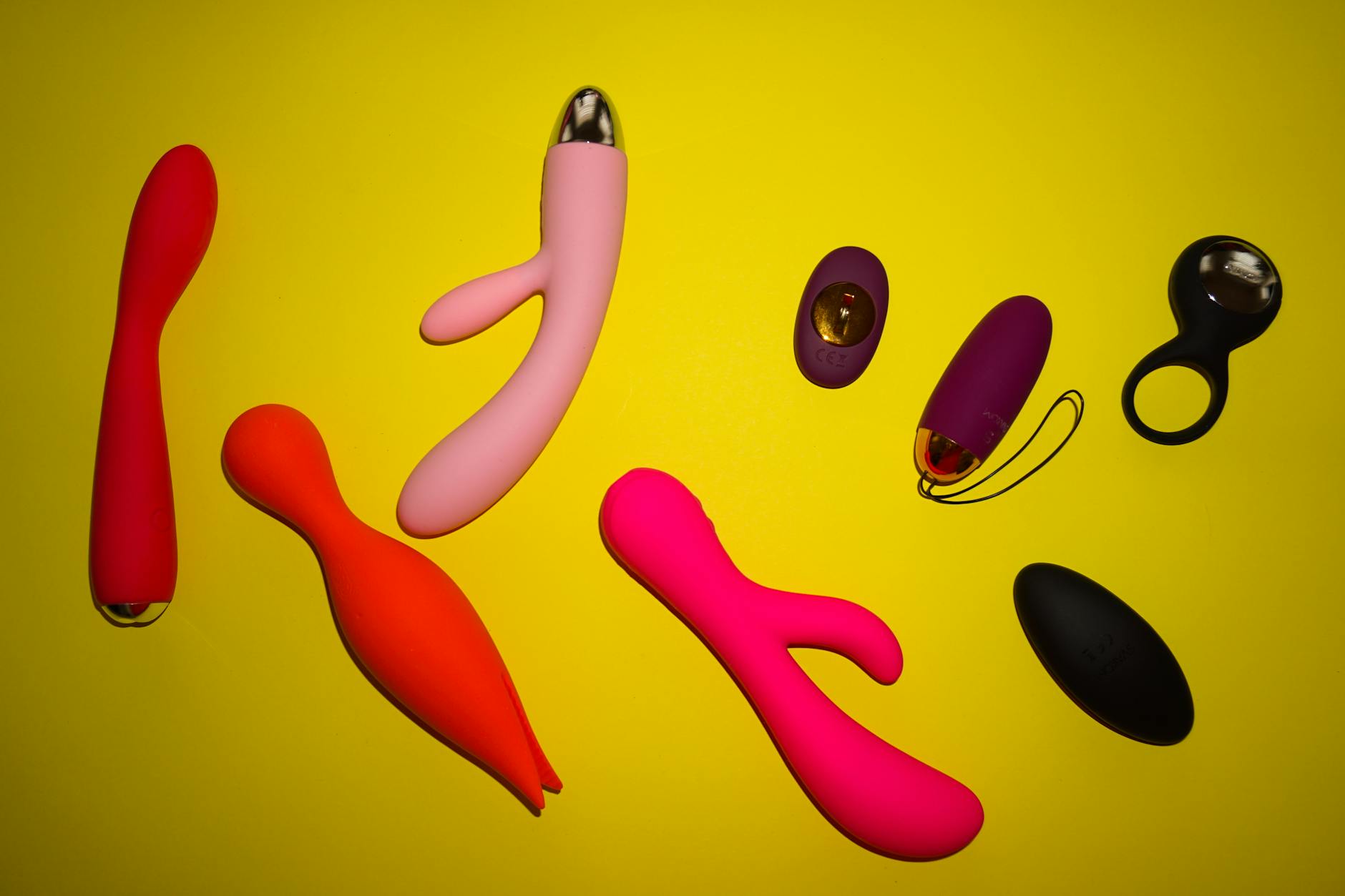
How to Use a Lemon Vibrator When Partnered Sex Feels Predictable
When intimacy settles into routine, a clitoral vibrator becomes your permission slip to rediscover each other. Here's how to reintroduce novelty without awkwardness.
Here's the thing nobody tells you about long-term relationships. The passion doesn't die. What dies is surprise. You know exactly what's coming, how long it'll take, and roughly what position you'll end up in. It's not bad. It's just... predictable. And predictability, over time, can make even good sex feel like scheduling a dentist appointment.
If you're sitting with a partner and thinking "we've become too familiar," or "I miss feeling genuinely curious about where this is going," a lemon vibrator isn't just a toy. It's a conversation starter. It's permission to be vulnerable again. It's a small act of rebellion against routine.
Let me walk you through how to actually introduce one without it feeling awkward or like you're criticizing what's already working.
There's solid research on this. When couples hit a sexual rhythm, the brain stops registering novelty. Novelty drives dopamine. Without dopamine, sex starts to feel obligatory instead of exciting. You're not broken. You're just bored in a way that's completely normal after years together.
A lemon clitoral vibrator breaks that pattern because it introduces something external, something neither of you fully controls. Suddenly you're both learning. Suddenly there's a reason to pay attention again.
The smartest couples I work with introduce toys not because something's missing, but because they want to stay curious about each other. That's the framing that lands. Not "our sex life isn't working," but "I want us to keep exploring."
If you haven't talked about this yet, that's your first step. And I know that feels like the hardest part.
Don't bring it up during sex. Don't lead with "I'm bored." Instead, try something like: "I've been thinking about trying something new together. Would you be open to that?" That question does three things. It's low-pressure. It includes them. And it gives them room to say yes without feeling blindsided.
If they ask what, be specific. "I'd like to try a clitoral vibrator during sex. Not instead of you. With you." That distinction matters. Many partners worry a lemon vibrator means they're not enough. They're not. Say that directly.
If they hesitate, ask what the hesitation is about. Is it performance anxiety? Jealousy? Practical concern? Each one needs a different response. Jealousy gets addressed with reassurance about connection. Performance anxiety needs clarity that this is collaborative, not competitive.
Don't build it into this huge moment. That's too much pressure.
You might use a lemon vibrator during foreplay, before penetration. Or during penetration, if you're positioned in a way that allows access to the clitoris. Or after your partner comes, as a way to extend the experience for yourself. There's no single "right" way.
Start on a lower setting. The goal isn't intensity. It's presence. Pay attention to how it feels. Talk about what you're noticing. "That feels different than I expected." "That's better when you're also touching me here." Communication during is actually hotter than silence, because you're both tuned in.
If it feels awkward, it's because it's new. Awkwardness passes. Most couples feel weird their first time using any new approach. By the third or fourth time, it feels normal.
Your partner uses the vibrator on you while you're kissing, or while they're touching you elsewhere. This extends the warm-up phase, which tends to be shorter in long-term relationships. Longer foreplay resets the pacing you've fallen into.
You might even take turns. You use a lemon vibrator on them. They use it on you. Now you're both learning your partner's pleasure in a new way. People's preferences actually shift over time. This gives you permission to rediscover them.
2. During penetration, for clitoral stimulation
You or your partner holds the vibrator against your clitoris while they're inside you. This works particularly well if penetration alone doesn't get you there, or if it takes so long that your partner gets uncomfortable.
The beauty here is that nobody has to stop or change position. It's additive. And it often speeds things up, which can actually reduce the performance pressure that's sometimes killing the mood anyway.
3. As the main event, with penetration secondary
Some couples find that using a lemon clitoral vibrator becomes the focal point, with penetration happening alongside it rather than before it. Or not happening at all. You might orgasm with the vibrator while your partner penetrates you, or while they touch you elsewhere, or solo while they watch.
This is the conversation-shifter. It says out loud: "Your pleasure is the priority here, not hitting a particular sequence." That permission can actually deepen intimacy because you're no longer performing a script.
It will feel weird. You'll both probably laugh. Maybe you'll feel self-conscious. That's completely normal.
Here's what actually helps: acknowledging it. "This feels awkward right now, and I'm into it anyway." That single sentence burns through so much tension. It gives your partner permission to feel awkward too. And it reframes awkwardness as part of being vulnerable together, which is actually kind of the whole point of sex with someone you trust.
Debrief. Not in an intense "we need to talk" way. Just check in. "How did that feel for you?" "What do you want to try next time?" "Anything you want to do differently?"
Then let it sit. You don't need to use a lemon vibrator every single time. The point isn't frequency. The point is that you've introduced novelty into the system. You've said, together, "we're not done exploring." That mindset shift ripples forward.
After a few times, you might find yourselves experimenting with different patterns, different positions, different intensities. You might discover that your partner actually enjoys watching you use a vibrator solo while they touch themselves. You might find that using one together becomes your favorite way to reconnect after a period of stress.
The trajectory is usually: awkward, then intentional, then natural. Give it three or four tries before you decide whether this is your thing.
If your partner says no, don't push it. But also don't let it drop. Revisit it in a few months. Sometimes people need time to sit with an idea.
If the resistance is deeper than just nervousness, that's worth understanding. Sometimes reluctance about toys is actually about something else: feeling disconnected, performance anxiety that runs deeper, or their own relationship with their sexuality that has nothing to do with you.
That's when a couples therapist or sex-positive counselor can actually help. Not because anything's wrong. But because this is a door into a bigger conversation about desire, vulnerability, and what you both actually want. That conversation, if you can have it, is where things get really good again.
Frame it as exploration, not criticism. "I want to experience more pleasure with you," not "our sex isn't working." Emphasize that this is collaborative. Most partners feel reassured once they understand that a clitoral vibrator is an addition, not a replacement. You might also share why you're interested: "I read that this can help me relax and be more present with you," or "I'm curious about experiencing my body differently together."
That jealousy often masks something else: fear that they're not enough. Address that directly and kindly. "This doesn't replace you or what you do for me. I want to explore this with you." Some couples frame it as an investment in mutual pleasure. Others find that using a lemon vibrator becomes something they both enjoy participating in, which shifts the dynamic from "partner versus toy" to "us exploring together." If jealousy persists despite reassurance, that might point to deeper insecurity worth exploring together.
No. The goal is novelty and curiosity, not a new routine that replaces the old one. Most couples find a natural rhythm where they use a clitoral vibrator sometimes, not always. That variability keeps things interesting. You might use it when you're stressed and need help getting present, or when you want to prioritize your pleasure, or just when you both feel like exploring.
Start low and work up. During partnered sex, you often don't need the intensity you might during solo play, because stimulation is coming from multiple sources. Experiment. You might find that a medium setting during penetration actually feels more intense than a high setting during foreplay. Communication is your best guide here. "Is this intensity working for you?" Keep it simple.
That's fine. You tried something. You learned something about yourselves and each other. Not every experiment clicks. The point was the vulnerability of trying it, not that it had to be perfect. Some couples revisit toys later and have a completely different experience. Others find that the real shift happened in the conversation, not the actual experience. Both are wins.
Absolutely. In fact, it might help reset things. If sex has become infrequent, using a lemon vibrator is a gentle way to say "let's be playful about this again" without pressure. It can make sex feel less like something you're supposed to do and more like something you're curious about. Sometimes a toy is exactly what breaks through the weight of expectation.
The deeper shift here isn't about the vibrator itself. It's about permission. Permission to acknowledge that routines happen, that boredom is real, and that wanting to rediscover each other doesn't mean anything's broken. It means you're paying attention to your relationship. That's how long-term desire actually survives: not through constant passion, but through continuous choice to stay curious about each other.
If you're feeling stuck in predictability with your partner, a lemon vibrator might be the doorway back in. But the real tool is the conversation. And that's something only you can start.