
How to Use a Lemon Vibrator When Your Partner Is More of a Giver Than Receiver
Let's be real: some people are wired to give. They light up when they're making someone else feel good. But the moment the attention turns to them, they get uncomfortable, restless, or apologetic about "taking too long."
If that's your partner, you already know the pattern. Foreplay is generous and thoughtful. Orgasm feels like an afterthought. Sex becomes this unbalanced thing where you're receiving, receiving, receiving, and somewhere in the back of your head you're wondering if they're actually enjoying themselves or just trying to get you off so they can relax.
Here's the thing nobody says out loud: a lemon vibrator doesn't just add stimulation. It reframes the entire dynamic. It gives your partner permission to step back and receive, because the focus shifts from "am I doing this right" to "how does this feel for both of us."
Why givers struggle to receive (and what that costs)
It usually starts early. Maybe your partner grew up hearing that good partners prioritize others, or maybe they're the oldest sibling who learned to take care of everyone else first. By the time they're in a relationship, receiving feels indulgent, selfish, or somehow less important than giving.
The weird part is that this pattern actually hurts you both. When one person is always in the giving role, they're not fully present in their own body. They're mentally checking a box, looking for the finish line, anxious about performance. Sex becomes work instead of connection.
For you, there's guilt layered on top. You feel selfish for wanting what you want. You start saying things like "let's skip it" or "I'm fine either way" just to ease the tension. Over time, the sexual side of the relationship gets smaller, quieter, less playful.
A lemon clitoral vibrator interrupts that loop because it shifts the conversation from "who gets pleasure first" to "what does pleasure look like when we're not performing for each other."
How introducing a clitoral vibrator changes the dynamic
When you bring a toy into the mix, suddenly the pressure of performance lifts. Your partner isn't "responsible" for your orgasm anymore. The Lem is. That sounds small, but it's huge psychologically.
Here's what I see happen with couples in this pattern: the first time you use a lemon vibrator together, your partner gets to watch your pleasure without having to engineer it. They're present, but not performing. That's a completely different experience.
Then something interesting happens. Once they see that pleasure isn't complicated or fragile or something they have to"deliver" perfectly, they often become more curious about their own. They might ask questions like "does this pattern feel different" or "what's something you wish you were doing more of." The vulnerability door opens both ways.
Secondarily, when you're using a clitoral vibrator, your partner has options. They can hold you, kiss you, use their hands elsewhere, talk to you, or step back completely. None of that feels like failure. It's just a different kind of involvement. That flexibility is what helps givers finally relax into being a partner instead of a performer.
Setting it up so it feels collaborative, not substitutive
The framing matters here. You don't want your partner to think "she's using a toy because I'm not enough." You want them to hear "we get to explore pleasure together in a way that feels good for both of us."
Start the conversation somewhere neutral. Not in bed. Try it over tea or while you're doing something else with your hands. Something like: "I've been thinking about how we could make sex feel less like work and more like play for both of us. I'm curious about trying something together." Then pause. Let them ask questions before you explain what.
When you do introduce the Lem, don't position it as a fix for a problem. Frame it as curiosity. "I want to explore what this feels like" is way more collaborative than "I need more stimulation." One opens a door. The other sounds like criticism.
Then, the first time you use it, give your partner a role that feels active. They might hold the toy. They might control the pattern. They might start you off and you take over from there. The point is that they're involved in the decision-making, not watching from the sidelines.
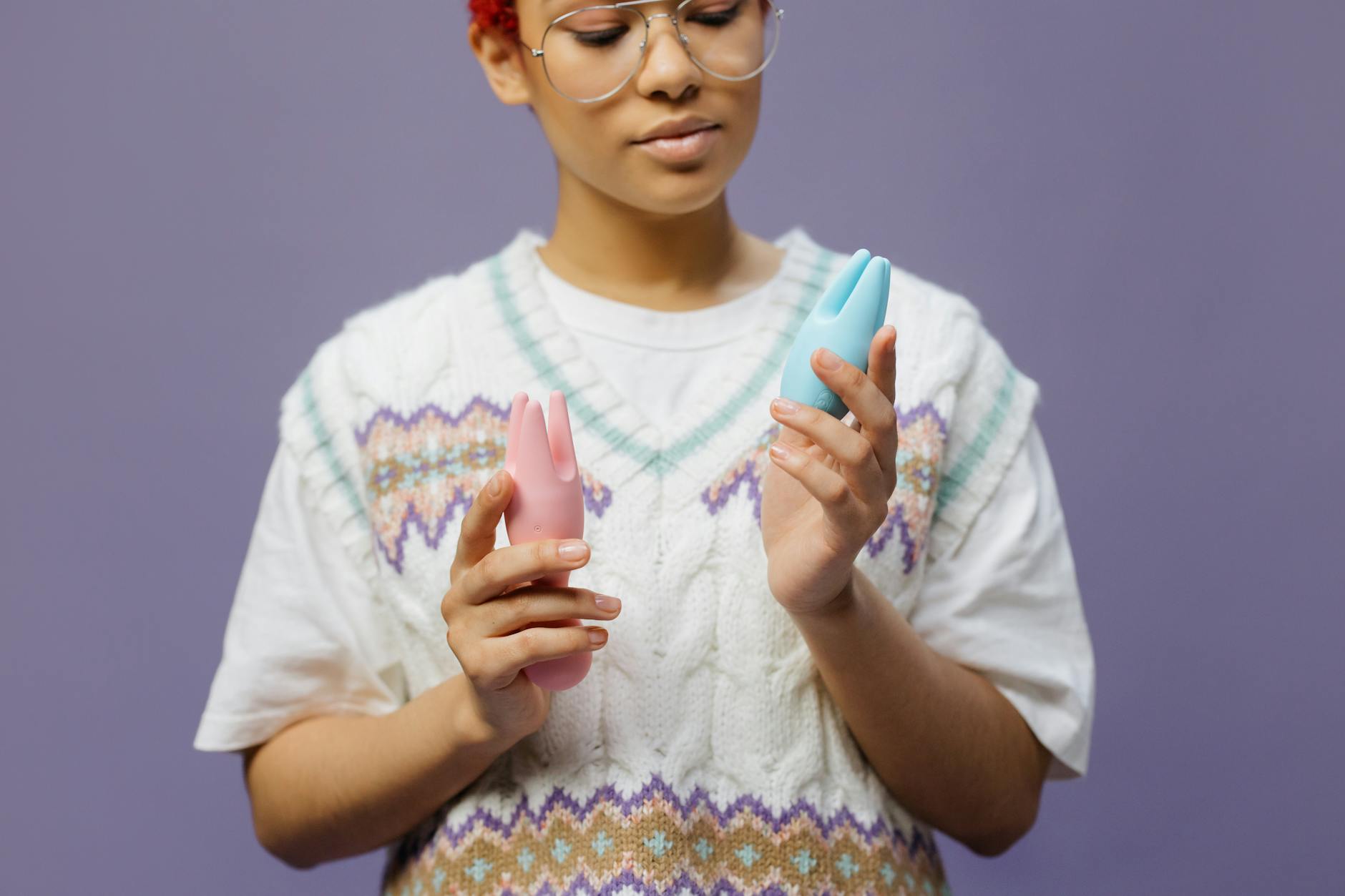
Photo by cottonbro studio on Pexels
What to actually do in the moment
Let's talk tactically. You're both in bed, the toy is there, and now what.
Start by letting your partner explore it first. No pressure to use it on you. Just hand it to them, let them feel the weight, watch how it moves, get curious about the patterns. This takes the "mystery" out of it and makes it feel less intimidating.
Then use it on yourself while they watch or touch you elsewhere. Your partner might be holding your hand, kissing your neck, or just present in the space. The important part is that you're not asking them to do something they're already anxious about.
Once you're comfortable, you can hand the controls to them. Let them choose the intensity, the pattern, the timing. This is where givers often feel relieved because they get to be involved but there's less ambiguity. They're not trying to guess what feels good. They're playing with a tool and getting feedback in real time.
Keep talking. "Higher" or "slower" or "that one." Not in a bossy way, just in a connected way. "Mm, yeah, that's good." Your partner will likely relax audibly once they realize this is about information, not performance evaluation.
Many people using a Lem for the first time notice that their orgasm arrives faster or feels different because there's less psychological resistance. You're not waiting for your partner to finish what they're doing. You're just responding to sensation.
The conversation that needs to happen after
After sex, check in. Not in a clinical way. Just "that felt different, what did you think" or "did you like watching me respond to that."
Your partner might admit they felt less pressure. They might say their mind was quieter. They might ask if you want to do it again or if there's something else you're curious about.
If they're still hovering in that giving role, gently call it out. "I noticed you weren't in your own body much. I want you to have pleasure too, not just me." Then ask a follow-up question: "What would feel good for you."
This is the moment where the dynamic can actually shift. You're saying "your pleasure matters to me" at the exact same time they're learning that receiving doesn't make them selfish. That's powerful.
Over time, introducing a lemon vibrator or other clitoral stimulation becomes the permission slip they needed. It says "pleasure is collaborative, not transactional." And once that lands, the rest of the relationship often loosens up too.
When to escalate (and when to just enjoy what you have)
Maybe after a few times with the Lem, your partner becomes curious about receiving direct stimulation themselves. Let that unfold naturally. Some partners who are givers need months of watching you be comfortable with pleasure before they're ready to try it.
If that happens, same playbook. Make it collaborative. Let them explore the toy first. Maybe you use it on them while they're getting used to the sensation. The Lem works beautifully this way because the suction doesn't feel pushy or aggressive, even if your partner is new to direct clitoral stimulation.
Other times, the pattern stays the same, but the pressure just lifts. Your partner is comfortable watching you use the toy, feels less guilty, and sex becomes something you both actually want to do. That's a total win even if it never goes further.
The goal isn't to change your partner into a receiver overnight. The goal is to introduce evidence that pleasure isn't binary. That giving and receiving can coexist. That a tool like a lemon clitoral vibrator doesn't replace connection. It clarifies it.
FAQ: Questions people ask when they're in this dynamic
Will using a vibrator make my partner feel inadequate?
Not if you frame it right. The conversation is "I want to explore pleasure with you" not "you're not doing enough." A lemon vibrator isn't a replacement for your partner. It's a permission slip for both of you to relax. Partners who feel inadequate were already anxious about performance. The toy doesn't create that feeling, but it can actually help dissolve it once they realize performance pressure is off the table.
What if my partner wants me to stop using it after the first time?
That's usually anxiety, not preference. Give it time. Ask them what made them uncomfortable. Often it's just that receiving attention felt vulnerable. Let them sit with that feeling instead of immediately dropping the toy. The discomfort is where growth lives.
Can we use a clitoral vibrator together if neither of us has explored toys before?
Absolutely. In fact, couples who are new to toys together often have less baggage. Start with the Lem or another lemon vibrator because the sensation is gentle and intuitive. Let your partner explore first. Take the pressure off being "right" and make it about curiosity. You'll figure it out together.
How do I know if my partner is actually receiving pleasure or just going along with it?
Watch their body. Listen to their breathing. Ask direct questions outside of sex. "Did you enjoy last night" is different from "was that okay." You're looking for genuine interest, not compliance. If they seem tense or checked out, pause and have a real conversation about what's going on emotionally. Sometimes givers need therapy before they can actually receive, and that's okay.
Is there a difference between using a lemon vibrator solo versus with a partner present?
Yes. When you're using it alone, there's no performance layer. You're just exploring sensation. With a partner watching, there's vulnerability and potential judgment, even if they don't mean to judge. For partners who are anxious about giving, watching you be unselfconscious about pleasure can actually be therapeutic. It shows them that pleasure is normal, not shameful.
What if I want my partner to use a clitoral vibrator on themselves while I watch?
Start slowly. Some people who are givers have never even looked at their own genitals, much less touched themselves intentionally for pleasure. Suggesting they use a vibrator on themselves can feel like a huge ask. Maybe start with "what if you explore this toy alone and tell me what you discover." Less pressure than performing for you. Once they're comfortable with their own pleasure, being watched becomes less scary.
The real shift
Honestly, the lemon vibrator isn't magic. What changes is the story you're both telling yourselves about sex. Instead of "I give, you receive," it becomes "we explore together."
That shift takes time. But once it lands, your partner usually realizes that pleasure isn't selfish. Receiving doesn't make them weak. And you're not wrong for wanting what you want. Sex becomes something you're both excited about instead of something you're both managing.
That's when the real connection happens.