Let's talk about the thing no one mentions
Your desire doesn't stay flat. It rises and dips throughout your cycle in patterns that are actually predictable once you know what to look for. This isn't a personal failure. This is biology doing its job.
For years you might've assumed your fluctuating libido was about your relationship, your stress level, or something missing inside you. Often it's just your hormones. And once you understand that pattern, pleasure becomes way easier to access because you're working with your body instead of against it.
Why lemon vibrators matter during hormonal shifts
Here's the thing about lemon sucker technology compared to traditional vibrators. A lemon clitoral vibrator uses gentle suction patterns that work beautifully when hormone-driven changes affect sensitivity. During high-desire phases, when your tissues are fully engorged and nerve endings are responsive, the suction feels incredible at higher intensities. During lower-desire phases, when arousal takes longer to build, the softer patterns on a lemon vibrator create a kind of persistent, gentle stimulation that actually pulls arousal up gradually instead of demanding it immediately.
Traditional vibrators get too intense when your sensitivity is lower. A lemon vibrator adjusts more elegantly to where you actually are in your cycle.
The follicular phase: building arousal
Days 1-14 (roughly), estrogen is climbing. Your baseline energy is higher, recovery from physical activity is faster, and sexually, your body primes faster. Nerve endings are more receptive. Lubrication comes earlier.
This is the sweet spot for exploring intensity with your lem vibrator. Your pelvic floor is relaxed and flexible. Your clitoris is naturally more engorged. You can handle stronger suction patterns without discomfort.
The mistake most people make here is assuming they should use the strongest settings constantly. Wrong. Even during high-desire phases, building up gradually creates better orgasms. Start at intensity level 2 or 3, spend 5-10 minutes there, then move up to 4 or 5 if you want that deep, intense sensation. Your body will tell you when it's ready to escalate.
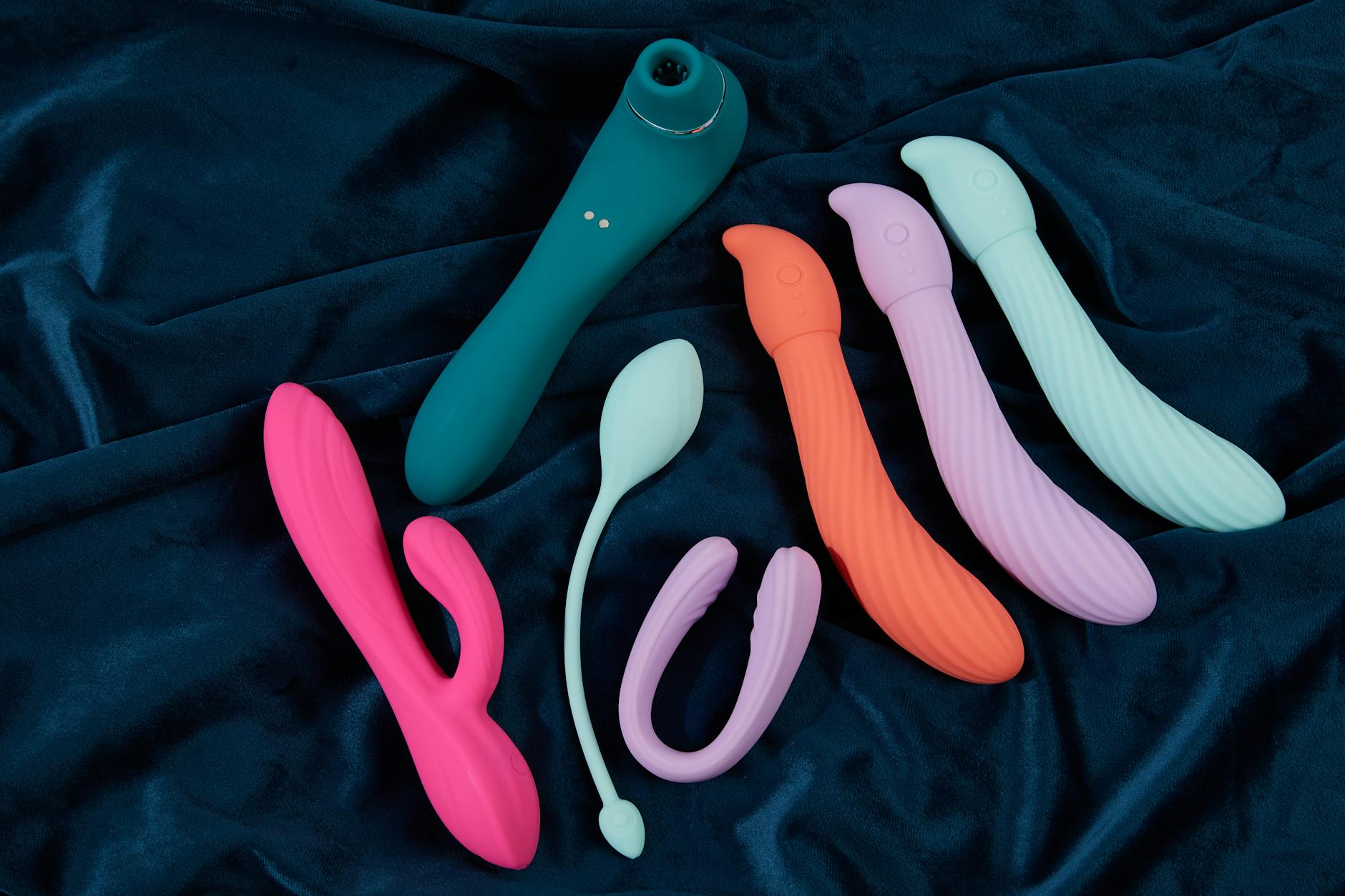
Photo by IFONNX Toys on Pexels
Ovulation: the peak
Around day 14, testosterone spikes alongside the LH surge. You might notice physical changes. Your skin plumps slightly. You feel more magnetic. Sexually, this is often when desire peaks and multi-orgasmic responses feel most natural.
Trust that instinct. If you want to use your lemon clitoral vibrator more frequently during this window, you should. Your body is telling you something true. Pleasure during ovulation often feels fuller and easier to reach. You might find that you need less warm-up time and that your orgasms intensify more quickly.
One nuance: because sensitivity is so high right now, you might want to vary patterns more than usual. On the Lem, cycle through different suction rhythms instead of staying on one. This prevents overstimulation while keeping sensation fresh.
The luteal phase: patience required
Days 15-28, progesterone climbs. This is when desire often takes a dip. Your energy feels more introverted. Arousal takes longer. Your clitoris feels less engorged. Your pelvic floor naturally tightens slightly.
This is not your libido breaking. This is normal hormonal choreography. But it means your approach to pleasure needs to shift.
Slower warm-up is essential. Budget 15-25 minutes instead of 5. Your lemon sucker works brilliantly here because the gentle, persistent suction patterns don't demand immediate arousal. They coax it upward gradually. Start at level 1 or 2 and stay there longer than you think you need to.
Water-based lubricant becomes more important during this phase. Even if you're normally self-lubricating just fine, adding external lubrication during the luteal phase makes everything feel less like friction and more like comfort.
When sensitivity gets really low: the luteal dip
Days 21-28, right before your period, progesterone peaks and estrogen drops. This is when some people hit a wall with sensation. Things that felt amazing last week feel muted now.
If this is you, it's not because you're broken. It's because your tissues genuinely have less blood flow and nerve responsiveness right now. A lemon vibrator helps here because you're not fighting against pressure. You're working with gentle suction that activates nerves without requiring maximum sensitivity.
Two tactical moves: one, use the pattern that feels most rhythmic and predictable. Don't jump around between patterns. Consistency matters more than variety when you're working with lower sensitivity. Two, extend your warm-up even further. Thirty minutes isn't excessive. Some people find they need to work with the vibrator for a full 20-30 minutes before sensation really wakes up.
If numbness persists even after extended warm-up, that's worth mentioning to a doctor. But temporary sensitivity dips tied to your cycle are normal and completely manageable with the right tools.
Tracking what actually happens in your body
You don't need an app, but you do need to pay attention. For one full cycle, notice when arousal feels easiest and when it feels hardest. Notice when you want penetration and when clitoral stimulation alone feels perfect. Notice your baseline lubrication, your energy, how long warm-up takes.
Once you've got that map, you can plan around it. If you know your lowest-desire window is days 23-26, don't expect spontaneous arousal then. Budget time. Create space. Use lowerintensity settings with your lemon clitoral vibrator knowing that's just how this window works.
This isn't resignation. It's strategy. You're not fixing yourself. You're aligning with how you actually work.
The conversation with your partner, if you have one
If you're with someone, they need to understand this pattern too. Not so they can police your desire (that's controlling garbage), but so they can adjust expectations and approach. If you initiate less during your luteal phase, that's not rejection. It's just a different phase requiring different conditions.
The best partners understand that your pleasure during the follicular phase requires different energy than during the luteal phase. And both are fully valid forms of desire. Neither is "more real" than the other.
FAQ: Your Month-to-Month Questions Answered
Can you use a lemon clitoral vibrator every day across your cycle?
Yes, but the way you use it should shift. During high-desire phases, intensity and frequency can increase. During lower phases, gentler sessions with longer warm-ups work better. Your tissues don't need recovery time from a lemon sucker the way they might from aggressive vibration, but your nervous system benefits from varying intensity.
Does your period affect how a lemon vibrator feels?
Some people find pleasure during their period feels incredible because the uterus contracts rhythmically. Others find any stimulation uncomfortable. If you're in the "uncomfortable" camp, skip it during bleeding. If you're in the "incredible" camp, know that the gentle suction of a lemon vibrator works well here because it avoids direct pressure. Use it externally only unless you're certain internal is comfortable.
What if your libido never really peaks, even during the follicular phase?
That's a different conversation. If desire stays consistently low across all phases, that's worth exploring with a healthcare provider. Hormonal birth control, antidepressants, thyroid issues, and relationship dynamics all play a role. But this post assumes you do have cycles where desire is higher and cycles where it dips.
Should you change your lube based on where you are in your cycle?
You don't have to, but it helps. Water-based lube is safe throughout, but some people find they want slightly slicker formulations during their luteal phase when natural lubrication dips. Silicone-based lubes last longer, but never use them with silicone toys (they degrade the material). Stick to water-based for your lemon vibrator.
Is it normal for orgasms to feel different across your cycle?
Completely normal. During the follicular phase, orgasms often feel sharp and intense. During the luteal phase, they often feel deeper and more diffuse. Some people prefer one to the other. Neither is "better." They're just different expressions of your nervous system at different hormone levels.
What if your cycle is irregular or you're on hormonal birth control?
If you're on birth control, you likely have a flatter hormone curve overall, which means desire might feel more consistent month-to-month. You can still use the cycle-based approach if you're on a combined pill (hormones plus placebo week), but the swings will be gentler. If your cycle is irregular or absent, focus on noticing month-to-month patterns instead of day-by-day ones, or work with a provider to understand what's driving the irregularity.
The actual practice
Understanding your cycle intellectually is one thing. Actually aligning your pleasure practice with it is another. Start by tracking one thing: on which days does arousal come easily, and on which days does it take longer? Write it down. Don't judge it. After two cycles, you'll see the pattern.
Then adjust your approach to your lemon vibrator use around that pattern. Longer warm-up during low-desire phases. Permission for intensity during high-desire phases. Different rhythm, different patience, same amount of deservingness.
Your desire isn't broken. It's just cyclical. And once you work with that instead of against it, pleasure becomes consistent in a whole new way.