The orgasm that used to be there
You remember it. That full-body thing. The kind where your breath actually stopped. Now? Orgasms feel muted, distant, like watching your own pleasure through frosted glass. And you're wondering if that capacity is just... gone.
It's not. This is one of the most common frustrations I hear, and it almost never means you've lost the ability to feel intensely. Usually it means something has quietly shifted in how your body gets stimulated, how much attention you're actually paying to sensation, or what's required to wake up nerves that have grown used to the same pattern for years.
Why orgasms flatten over time
Several things happen. First, repetition desensitizes nerve endings. The same touch, the same rhythm, the same position for years means your nervous system stops treating it as novel stimulus. Your brain downregulates arousal because it's processing familiar input, not emergency-level attention.
Second, hormonal changes shift how quickly blood flows to the clitoris and how sensitive tissue responds. This happens regardless of age, but it accelerates with perimenopause and menopause.
Third, and this is the one nobody talks about: partnered sex often evolves into a routine that prioritizes someone else's pleasure or comfort. Your actual clitoral stimulation gets deprioritized. You're not getting the specific input your body needs to reach that threshold where orgasms feel like something real.
Fourth, stress, relationship drift, or just mental noise hijacks the nervous system. Pleasure requires your brain to be fully present. If you're running a background tab of worries, the signal gets weak.
None of this is permanent. None of it means you're broken.
Why suction changes the game
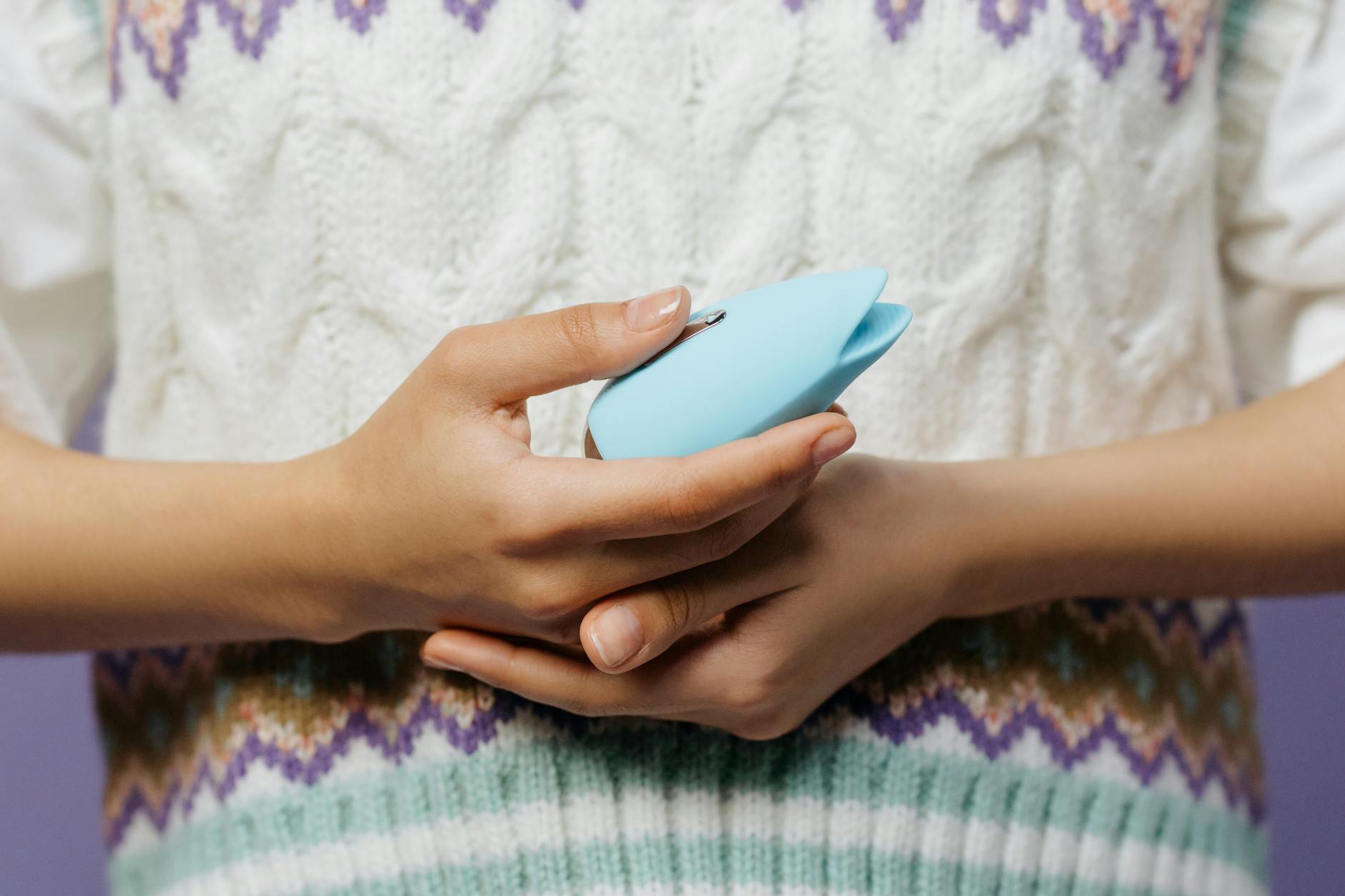
Here's where a lemon vibrator enters the picture. Unlike traditional vibrators that rely on buzzing or pulsing, suction-based clitoral vibrators like the Lem work by creating a vacuum seal that draws blood into the clitoral tissue while stimulating the entire clitoral network, not just the surface.
This approach does three things your usual stimulation probably isn't doing.
First, it's novel. Your nervous system recognizes it as a genuinely different stimulus. That novelty reactivates the arousal cascade your body has been sleepwalking through.
Second, it engages the full clitoral structure. Most people think of the clitoris as a tiny button. It's actually a wishbone-shaped organ with internal and external parts. Suction-based lemon clitoral vibrators stimulate the whole system at once. The sensation builds differently, deeper.
Third, it doesn't require the same fingertip pressure you might have trained yourself to use during solo exploration. That means less habituation, more room for intensity to rebuild.
Many clients report that their first strong orgasm in years arrives within the first few sessions with a lemon sucker device.
How to actually use it to rebuild intensity
Start with a plan, not just hopeful optimism.
Session one is about curiosity, not orgasm. Use your lemon clitoral vibrator on settings 1 and 2 for 10 minutes. Pay attention to how the sensation differs from your usual stimulation. Where does suction feel strongest? Which setting makes you flinch slightly (that's your nervous system waking up)? The goal is data, not performance.
Session two, add breath work. Set a timer for 15 minutes. Start on setting 2. As sensation builds, begin breathing deeply through your nose and out through your mouth. This keeps your nervous system engaged and oxygenated. Most people's arousal flatlines because they're barely breathing. Conscious breathing changes everything.
Session three and beyond, build the arc. Start on setting 1 for 2 minutes, then move to 2 for 3 minutes, then 3 for 5 minutes. This mimics how arousal actually builds naturally. Jumping straight to the highest setting is like running a sprint without a warmup. Your body can't respond with full intensity if it hasn't had time to engage.
If you're with a partner, involve them. Have them apply a water-based lubricant first while you're already slightly aroused. Lubrication matters even if you think you don't need it. This is about sensation potential, not wetness alone. Then let them hold the device while you guide them. The hand-holding element often recreates intimacy that solo use misses.
The mental piece nobody mentions
Your clitoris responds to novelty. It also responds to permission.
If you've spent years believing your orgasms are supposed to happen on a partner's timeline, or that wanting more direct stimulation is somehow needy, that belief lives in your nervous system. A lemon vibrator is a tool, but the real work is telling yourself that your pleasure is worth five minutes of focused attention. That strong orgasms matter. That you deserve them.
This is where couples often get stuck. A partner buys a device, hands it over, and expects intensity to return immediately. But if the underlying message is still 'your pleasure is optional,' the nervous system doesn't fully engage. You need explicit permission, either from yourself or spoken aloud with a partner. "I need this. My body deserves this." That shift in language changes arousal.
When intensity still doesn't return
If you've followed a solid routine for 4-6 weeks and orgasms still feel flat, something else might be operating.
Check hormone levels with your GP if you're in perimenopause or menopause. Estrogen directly affects clitoral blood flow and orgasmic response. A topical estrogen cream can change the game within weeks.
Examine your relationship. Sexual response doesn't happen in a vacuum. If you're stressed, resentful, or emotionally disconnected from your partner, your nervous system won't fully activate regardless of tools. That conversation might be harder than buying a device, but it's the foundation.
Consider whether anxiety is operating. Depression, generalized anxiety, even performance anxiety about 'getting off' can muffle arousal. If this feels true, talk to a therapist who specializes in sexual health. This isn't a device problem.
And honestly, sometimes lemon vibrators aren't the right fit for someone's body. Some people respond better to wand vibrators or different stimulation patterns. Explore what works by staying curious rather than attached to a particular outcome.
Building this into your routine
Don't treat the lemon clitoral vibrator as emergency pleasure rescue. Build it into regular sexual expression.
If you're solo, schedule 20 minutes twice a week. Not because orgasm is homework, but because consistency matters. Your nervous system needs to learn that strong sensation is reliable, not something that happens once and never again.
If you're partnered, use the lemon vibrator during partnered sex, not instead of it. Have your partner use it during foreplay. Use it during penetration if that helps. The device isn't about replacing anything. It's about adding a layer of stimulation that's been missing.
Over time, your body recalibrates. Orgasms build back toward intensity because you're giving your nervous system novel input combined with explicit permission and sustained attention.
Frequently asked questions
How long before I notice stronger orgasms?
Most people report noticeable intensity shifts within 2-4 weeks of consistent use. If you've had flat orgasms for years, give yourself at least 6 weeks before concluding the device isn't working. Your nervous system is relearning a pattern.
Should I use it every time I have sex?
No. Rotate between solo use and partnered sessions so you don't build habituation to the lemon vibrator itself. Mix it with manual stimulation too. Variety keeps your nervous system engaged.
What if my partner is jealous of the device?
This is usually about security, not the object itself. Reframe it together: "This helps me feel more sensation, which means better pleasure for both of us." Introduce it gradually during moments of connection, not as an escape from partnered sex.
Can I use it if I have clitoral sensitivity issues?
Start on setting 1 and stay there for several sessions. Suction can feel intense for sensitive tissue at higher settings. The lower settings often feel gentler than traditional vibration while still providing the novelty your nervous system needs.
Does lube matter?
Yes. Even a thin layer of water-based lubricant helps the suction seal work better and reduces any friction discomfort. It also signals to your body that pleasure is being prioritized.
What if I'm on antidepressants that affect arousal?
Talk to your prescriber about timing or dosage adjustments, but don't stop medication without guidance. That said, many people on SSRIs find that the novelty of suction-based stimulation still activates response even when traditional stimulation feels muffled. Worth trying before assuming it's a medication wall.
The reset you're looking for
You didn't lose your capacity for strong orgasms. You lost the conditions that produced them. A lemon vibrator restores one of those conditions: novelty. Add conscious breathing, permission, and consistent attention, and most people rediscover intensity they thought was gone.
This isn't about performance. It's about reclaiming a sensation that matters. Your body remembers how to feel this. It's just waiting for the right stimulus.
Ready to explore? Learn how to choose the right clitoral vibrator for your body, or get in touch if you'd like to talk through what might work best for your situation.