Let's talk about what surgery actually does to pleasure
Here's the thing nobody warns you about: surgery changes how your body feels. Not forever, usually, but immediately. Your clitoris is covered in thousands of nerve endings, and any procedure in that region, even ones that shouldn't theoretically affect sensation, can create temporary numbness, hypersensitivity, or a weird disconnected feeling where touch registers but doesn't quite land the way it used to.
That's not a sign something went wrong. It's a sign your nervous system is healing.
I've worked with dozens of clients through post-surgical pleasure recovery, and almost all of them go through a phase where they either avoid touch altogether (which extends healing time) or push too hard too fast (which causes pain). Neither helps. What actually works is something in between: gentle, consistent stimulation that respects new sensitivity while slowly rewaking the nerve pathways. This is exactly what lemon clitoral vibrators are designed to do.
Why sensitivity changes after surgery
When surgeons operate near the vulva, they're working near an extraordinarily dense cluster of nerve tissue. Even minimally invasive procedures create inflammation and swelling that temporarily interferes with how signals travel from your clitoris to your brain. You might feel numbness, tingling, a pins-and-needles sensation, or (oddly) hypersensitivity where light touch feels almost painful.
Tissue trauma also triggers your nervous system to be more protective. That's not weakness. That's your body doing its job. Over time, as swelling resolves and nerves settle, sensation normalizes. But the timeline varies wildly. Some people feel mostly like themselves in six weeks. Others take four to five months. Your surgeon's post-op clearance for penetration doesn't automatically mean sensation has returned to baseline.
This is where most people get stuck. They follow the medical timeline (no penetration for X weeks) and assume sensation will snap back when that timer goes off. When it doesn't, they panic or assume they're broken.
The role of suction during recovery
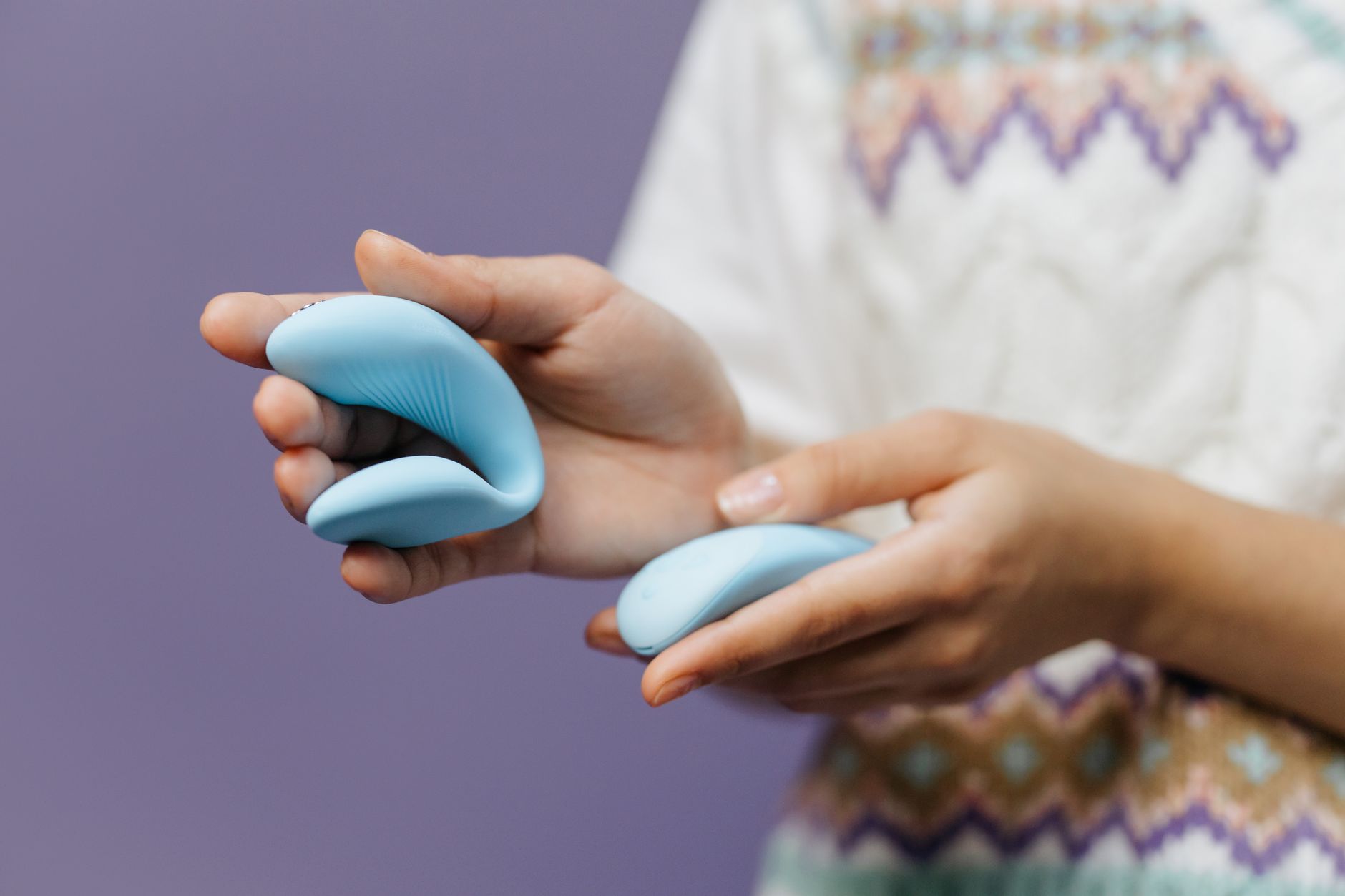
Clitoral suction vibrators like the Lem work during this phase because they don't require direct friction. Suction stimulates the clitoral network without the mechanical pressure that can feel overwhelming on sensitive tissue. The pattern creates rhythmic stimulation that's gentler than traditional vibration, which is huge when your nerves are still recalibrating.
During early healing (first four to six weeks post-surgery), you're probably not using any toy at all. But once your surgeon clears external stimulation, a lemon vibrator becomes a low-risk way to gently reawaken sensation. The suction mimics the pressure of oral sex without requiring a partner to be involved, which reduces performance pressure. You can control pace, intensity, and duration entirely by yourself. That autonomy matters, especially when your body feels unpredictable.
The Lem's pattern settings (lower numbers feel more gentle) let you start at pattern one and stay there until that feels baseline again. You're not trying to reach an orgasm or hit some arbitrary pleasure goal. You're just reintroducing sensation and letting your nervous system remember that touch can feel good.
How to actually use it during recovery
Timing is everything here. Wait until you've got your surgeon's clearance for external genital stimulation. Then wait another week. I know that sounds cautious, but inflammation is still resolving, and starting too early can trigger setback.
When you do start:
Begin with pattern one. Not because it's weak or ineffective, but because your nervous system is in a heightened state. Pattern one delivers stimulation without overwhelming newly sensitive tissue. Spend a week here. You're not chasing sensation change. You're documenting what pattern one feels like now, in your new baseline.
Use water-based lubricant even though external stimulation doesn't require it. Lube reduces friction where it might still feel tender, and it normalizes the sensation of wetness (which surgery can mess with temporarily). This isn't medical advice. It's just what makes the experience feel less jarring.
Keep sessions short. Fifteen minutes maximum. Long sessions can make tissue reactive. Five to ten minutes of gentle stimulation, then a break. Consistency matters more than duration. Using the Lem three times a week for ten minutes is better than once a month for an hour.
Pay attention to what's actually happening, not what you think should happen. Your body might not orgasm yet. It might not feel pleasure yet. That's not failure. That's information. Document it: which patterns feel manageable, which feel too much, where sensation is returning first (clitoral tip, hood, shaft), how your response changes day to day. Your nervous system is remapping itself, and this data tells you the pace it needs.
The emotional part (which is actually the big part)
Here's what people don't talk about: surgery changes your relationship with your body. Even minimally invasive procedures trigger a sense of lost autonomy. Your body did something you didn't choose. Healing creates a weird psychological space where you're grateful to be okay but also grieving the version of yourself that existed before.
When sensation doesn't snap back immediately, that grief can calcify into anxiety. And anxiety makes sensation recovery slower because your nervous system stays guarded.
Reintroducing pleasure with a tool like a lemon vibrator is partly physical and partly psychological. It's a statement to yourself: I'm allowed to feel good again. I'm allowed to explore what my body can do now. This isn't about forcing sensation or performing pleasure for anyone else. It's about genuine reconnection.
If you have a partner, separate the conversation. "My body is recovering" is different from "I'm ready for us to be intimate again." The first is about you and your nervous system. The second involves someone else's presence, which adds pressure your body doesn't need right now. Solo exploration with a lemon vibrator first gives you a map before you're navigating in partnership.
If you're alone, remind yourself that this phase is temporary. Pleasure isn't gone. It's rerouting. Your clitoris has more nerve pathways than almost any other part of your body. If some are temporarily offline, others are still active. You're not broken. You're rewiring.
When to check in with your surgeon
If pain appears during gentle stimulation, stop and contact your surgical team. Pain is different from discomfort or unexpected sensation. Pain means something is still inflamed or there's an infection. Those things are fixable with the right medical input.
If numbness persists beyond four to five months, mention it at your next checkup. Most post-surgical numbness resolves fully within six months, but some people benefit from pelvic floor physical therapy to speed things along. That's not a sign of failure. It's just targeted rehab.
If you're spiraling about whether pleasure will ever feel normal again, talk to a therapist who specializes in post-surgical recovery. The mental health part of this is as real as the physical part, and getting support early prevents the anxiety from crystallizing into something harder to shift.
FAQ
How long after surgery can I use a clitoral vibrator?
Wait for your surgeon's clearance to use external stimulation first, then wait another week while any remaining inflammation settles. If you had a procedure that didn't directly involve your vulva (like abdominal surgery), you might be cleared sooner. Ask your surgical team specifically about external clitoral stimulation timing. They won't be shocked by the question.
Will a lemon vibrator hurt if I'm still numb?
No, numbness won't hurt because sensation isn't there yet. What's helpful is that very gentle suction (pattern one) can actually help rewake nerves because it stimulates without the aggressive friction that might feel overwhelming. Think of it as a wake-up call to your nervous system, not an aggressive stimulus.
Can I use a lemon vibrator with a partner during recovery?
Absolutely, if that feels good. Some people find partner involvement supportive. Others find it adds pressure when they're already feeling vulnerable about their body. Do solo exploration first so you know what feels manageable to you, then decide if partnered use adds something or subtracts something. There's no right answer.
What if I still can't feel pleasure after three months?
Contact your surgeon first to rule out anything medical (infection, continued inflammation, nerve damage beyond what's typical). Once that's cleared, consider pelvic floor physical therapy. Tension in the pelvic floor (which often happens unconsciously during healing) can interfere with sensation. A trained therapist can release that tension and speed up recovery. This isn't common, but it's real, and it's very treatable.
Is it normal to feel hypersensitive instead of numb?
Completely normal. Some people get numbness, some get hypersensitivity, some get both in different areas. Hypersensitivity is your nervous system in protective mode. Start with pattern one at lower intensity and treat it as you would numbness: gentle, gradual reintroduction. Your system will recalibrate, usually within two to four months.
Can I combine a lemon clitoral vibrator with other recovery tools?
Yes. Water-based lube helps. A heating pad before sessions can reduce tension. Pelvic floor relaxation breathing (four counts in, six counts out) before touching yourself settles your nervous system. Some people find that using the vibrator at the same time each week creates ritual and predictability, which helps your body feel safer. Small, consistent choices compound.
Surgery isn't the end of your pleasure story. It's a plot twist. Your nervous system is resilient, and with patience and the right tools, sensation comes back. A lemon clitoral vibrator is designed for exactly this kind of sensitive, gradual reawakening. Start slowly, listen to what your body actually tells you, and trust that reconnection is possible.