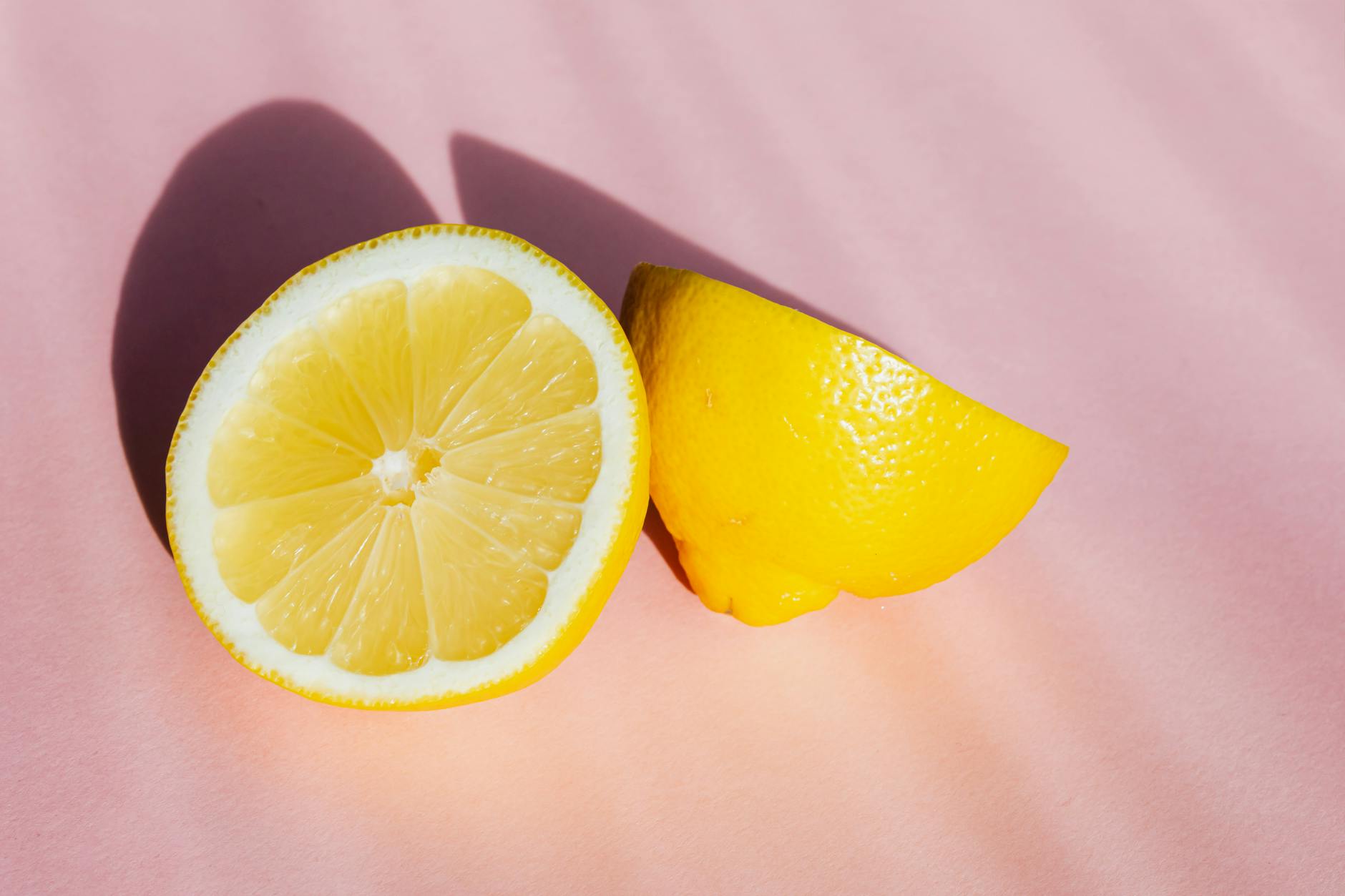
The weird part nobody warns you about
Let's be real. When you're used to partner-based intimacy, solo exploration can feel strange at first. Not wrong, not bad. Just different in ways you might not have expected. Your body literally adapted to another person's rhythm, pressure, and timing. Now you're starting fresh with just you and your own hand (or a lemon vibrator, which is where things get interesting).
Here's the thing: solo pleasure after partnership isn't about replacing what you had. It's about discovering what works when you're calling all the shots. And that freedom? That's what makes lemon clitoral vibrators so effective for this transition.
Why your body responds differently now
When you're with a partner, your pleasure is partially responsive. You're reading cues, timing, adjusting for their comfort. Your nervous system is tuned to that external rhythm. Now that you're exploring solo, your arousal pathway changes. You're not building toward someone else's climax. You're building purely for your own sensation.
This sounds simple, but it's neurologically significant. Research on solo vs. partnered pleasure shows that the clitoral sensitivity, the time to arousal, and the intensity of orgasm can all differ when you remove the external partner variable. Some people find solo sensation is sharper. Others find it takes longer to build because there's no external stimulation from another body.
A lemon vibrator addresses this in a specific way. The suction-based mechanism of air-pulse toys (like the Lem) doesn't require you to coordinate with a partner's touch. You control the pattern, the speed, the pause. For someone rebuilding a solo practice, that control is everything.
The mental reset you need (and probably haven't named)
Here's what I see in my practice: people transitioning to solo exploration often carry leftover scripts from couple's sex. They rush. They skip the warm-up because they're used to foreplay happening around a partner. They feel weird spending 20 minutes on themselves when in a relationship, that time was shorter and split between both people.
Your brain needs permission to slow down. A lemon clitoral vibrator gives you permission because it's efficient enough that you don't feel like you're "wasting time," but effective enough that you can't rush it. If you want results, you have to stay present. The toy won't work the same if you're half-distracted, which paradoxically makes it perfect for rebuilding focus on your own body.
This is why so many people rediscover pleasure with a dedicated toy after solo stretches. It's not that your body changed. It's that the tool scaffolds the right mental state.
Why suction feels different when you're the only variable
Partner penetration, partnered manual stimulation, partnered toy use—these all involve someone else's strength, pace, and intuition about pressure. When you use a lemon vibrator solo, the only variable is you. Your hand position. Your pelvic floor tension. Your breathing. Your attention.
Air-pulse or suction vibrators like the Lem respond to these micro-adjustments in ways traditional vibrators don't. You shift your angle slightly, the sensation changes. You tighten your pelvic floor, you feel more intensity. You breathe out, your body loosens, the sensation feels deeper. This feedback loop is incredibly fast, and it teaches you things about your own arousal that partner-focused intimacy often doesn't give you space to learn.
For people rebuilding solo pleasure, this responsiveness is clarifying. You're not wondering if the sensation is right. You're discovering exactly what right feels like for you, in this moment, without compromise.
Building a solo routine that actually sticks
Three shifts I recommend to clients moving from partnership to solo exploration:
First, schedule it. This sounds unromantic, but it's not. It's permission. When solo pleasure happens randomly between other life events, it feels like stealing time. When you protect 20 minutes intentionally, it's self-care. Your body shows up differently when you've claimed the time.
Second, separate pleasure from orgasm. In partnerships, sex often has an endpoint. Solo, you can flip that. Try using your lemon clitoral vibrator for 10 minutes with no goal of coming. Just sensation mapping. What patterns feel good? Which intensity? Does it change throughout? This removes performance pressure and rebuilds your internal pleasure sense without external validation.
Third, know your arousal window. Solo arousal takes different amounts of time than partnered. Some people find they're faster alone. Others need longer warm-up. A lem vibrator works across this spectrum because you control the pace, but you have to know your own pace first. Spend a few sessions exploring without the pressure of getting somewhere. Your body will tell you what it needs.
When pressure or touch sensitivity changes
After years with a partner, your touch preferences might shift. Some people find they're more sensitive because they're not getting hands-on touch anymore (and clitoral sensitivity actually adapts based on regular stimulation). Others find they need more intensity because their body adapted to their partner's typical pressure.
A lemon vibrator's variable patterns help you navigate this without confusion. Start on a gentler pattern. Your clitoral tissue will tell you if it wants more. If you find yourself wanting deeper pressure or faster pulses, you're getting real feedback. If the same pattern feels perfect, then you've found your reset point.
This recalibration is normal. It's not that something's wrong with your body. It's that your body's habits shift when the stimulus changes. A dedicated tool makes that shift feel intentional rather than broken.
The self-knowledge piece
Here's what I tell people: solo exploration is not a consolation prize. It's your chance to know your own pleasure in a way partnership doesn't always allow. When someone else is involved, their pleasure, their timing, their preferences become part of the equation. Solo, you're the only equation.
A lemon clitoral vibrator is good at this work because it's responsive, focused, and fast enough that you don't drift out of attention. You stay with your body instead of performing for someone else's expectations. That presence is where real discovery happens.
FAQ: Solo exploration with lemon vibrators
How long does it take to adjust to solo pleasure with a vibrator after partnership?
Some people feel the shift immediately. Others take 3 to 4 weeks of regular exploration before their body fully relaxes into solo sensation. There's no fixed timeline. What matters is consistency without pressure. Once or twice a week is more effective than sporadic use with high expectations. Your nervous system needs time to downregulate from the habit of partnered touch and remember what solo arousal feels like.
Does using a lemon vibrator solo mean I don't want partnership anymore?
Not at all. Solo pleasure is its own thing. You might rediscover partnership later. Some people do both simultaneously. Others find they like solo for a season and move back to partnership. The tool doesn't determine your relationship preferences. It just gives you one option for pleasure when you're exploring alone. Think of it as learning your own body's language so you can communicate that language if partnership happens again.
Why does arousal feel harder solo than it was with my partner?
Because you're missing external stimulus. Partner-based sex creates arousal through multiple channels: touch, proximity, someone else's energy, the responsiveness of another body. Solo, you're the whole system. This isn't a deficiency. It's just different. Most people find that arousal accelerates faster once they stop expecting the old pattern and stay curious about the new one. A lemon clitoral vibrator actually bridges this gap because suction creates full-tissue engagement faster than a traditional vibrator, so arousal tends to build more efficiently.
Can I use a lemon vibrator the exact same way solo as I would with a partner?
You can, but many people find they want to slow down and explore more when they're alone. In partnered contexts, there's an implicit pace and goal. Solo, you can linger. Try patterns you might be self-conscious about. Explore angles that feel weird but interesting. The tool is flexible enough to support both approaches, but the freedom of solo exploration often lets you get more creative. Most clients report that solo sessions become deeper once they give themselves permission to not rush.
What if I feel guilty taking this much time for my own pleasure?
That guilt is real, and it's worth naming. Many of us were taught that pleasure requires justification or context (partnership, procreation, performance). Solo pleasure, to yourself, for yourself, can feel indulgent. It's not. It's maintenance. It's learning. It's self-respect. A structured practice with a dedicated tool helps shift guilt because it feels intentional and boundaried. You're not sneaking pleasure. You're protecting time for your own body. That's different, and your mind will eventually feel that difference.
Is a lemon vibrator the right choice for someone new to solo exploration?
It depends on your preferences. Lemon clitoral vibrators are excellent for external, focused sensation. They're particularly good if you like the idea of suction or air-pulse technology, which many people find feels different and often more intense than traditional vibrational toys. If you're not sure, try a quieter, lower-intensity vibrator first to understand your body's response. Once you know what intensity and sensation pattern you like, a lemon vibrator becomes a natural upgrade. But you don't need to jump straight there. Solo exploration works best when the tool matches your actual preferences, not someone else's recommendations. Take time to understand what your body is asking for.