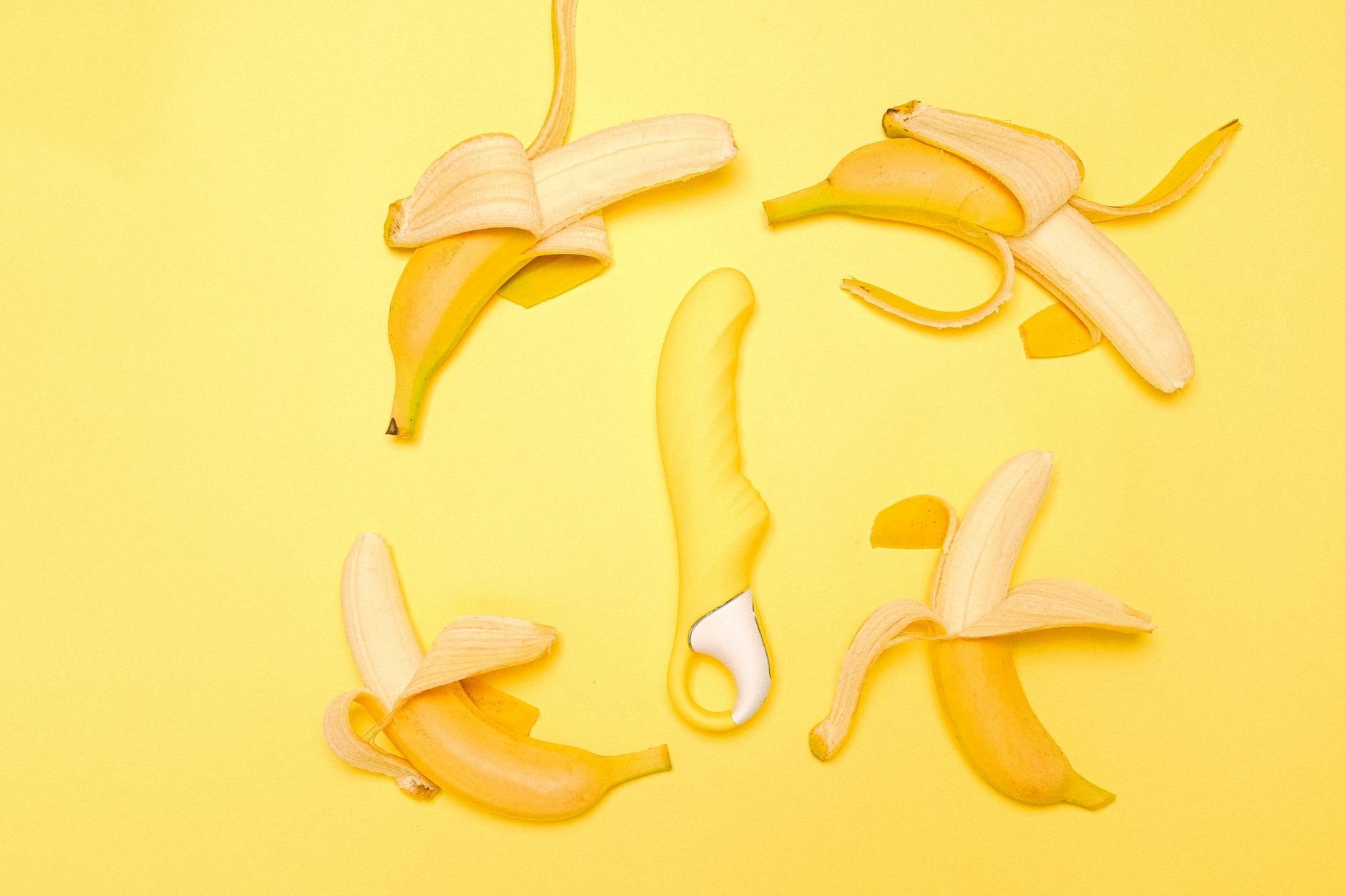
Here's the thing nobody explains clearly
When your hormones shift, your clitoris doesn't stop working. It just works differently. The tissue becomes thinner, blood flow patterns change, and what felt intense last year might feel numb or even uncomfortable now. This isn't a personal failure. It's biology.
The frustrating part? Most vibrators were designed for one type of stimulation, and that type stops working as well when your body changes. Lemon vibrators, built around suction and air-pulse technology rather than traditional vibration, work with your physiology instead of fighting it.
Why traditional vibration feels different after hormonal shifts
Your clitoral tissue has a specific architecture. The glans, or sensitive tip, contains thousands of nerve endings. When estrogen drops, that tissue thins and the area becomes more delicate. Direct vibration that felt amazing at 25 might feel abrasive at 45, or after pregnancy, or once you start hormonal medication.
Traditional vibrators rely on mechanical oscillation hitting tissue directly. With thinner tissue, that impact travels differently. Some people describe it as buzzing without pleasure. Others say stimulation that used to build gradually now feels jarring or even painful.
This is why many people assume their pleasure is dying. They're actually just using the wrong tool for their body's current state.
How lemon clitoral vibrators work with your changing tissue
Lemon vibrators use suction and gentle air pulses instead of direct vibration. The technology works by creating a seal around the clitoris and delivering rhythmic suction patterns. Here's why that matters when your tissue has changed.
Suction stimulates differently than vibration. It engages the deeper nerve structures in the clitoris without the same mechanical pressure on sensitive surface tissue. The sensation builds gradually. You're not fighting friction or impact. The patterns feel rhythmic and building rather than constant and invasive.
When tissue is thinner or more sensitive, suction technology performs better because it doesn't rely on the tissue absorbing shock. It works through pressure changes instead. That's the mechanical difference. The pleasure difference is that many people report orgasms that feel full and complete, rather than shallow or muted.
What changes in sensation actually feel like
After hormonal shifts, sensation changes in three main ways. First, arousal takes longer to build. What used to require five minutes might now need fifteen. Your body isn't broken. The vascular response is slower, which is completely normal and manageable with the right approach.
Second, stimulation intensity threshold shifts. You might need either lighter, more precise touch, or you might need fuller, broader contact. Most people don't know which until they experiment. Lemon vibrators have multiple intensity levels and patterns, which helps you find what works now rather than forcing old preferences onto new tissue.
Third, orgasm sensation itself might feel different. Some people describe post-hormonal orgasms as less explosive and more concentrated. Others say they're deeper or longer. Neither is better or worse. But if you're expecting the old sensation, the new sensation can feel like failure when it's actually just variation.
The practical setup that actually works
Let's be honest about what helps. If you're experiencing sensation changes, four things matter immediately.
First, give yourself more warm-up time. That's not weakness. That's working with your biology. Fifteen to twenty minutes of foreplay, touching, or just arousal without pressure creates the blood flow and neural activation you need.
Second, start with the lemon vibrator at the lowest intensity. This is essential. Your tissue is more sensitive right now, and gentleness creates better sensation than aggression. You can always increase. You can't undo overstimulation in the moment.
Third, use water-based lubricant. Your natural lubrication may have decreased, and external moisture helps the suction seal work more effectively. This is practical, not a sign of dysfunction.
Fourth, explore the different patterns. Lemon vibrators typically offer multiple suction rhythms. What doesn't work on pattern three might absolutely work on pattern five. Spend time learning your new preferences instead of trying to recreate old ones.
The hormonal context that matters
If you're experiencing sensation changes, understanding the hormonal driver helps. Drop in estrogen is the most common cause. Estrogen affects tissue thickness, collagen production, and blood vessel function. Lower estrogen means less robust tissue and slower vascular response.
Testing hormonal levels isn't always necessary unless other symptoms are severe. But if you're on hormonal birth control, stopping or switching can change sensation quickly. If you're in perimenopause or menopause, estrogen fluctuation is the direct driver. If you're postpartum, hormonal collapse after delivery is temporary, and sensation usually returns within months.
In any of these scenarios, a lemon clitoral vibrator works because it doesn't demand the same tissue response as traditional vibrators. It works with what you have right now, not against it.
The mind-body piece that changes everything
Here's what I see most often as a therapist. People experience sensation changes, assume they're broken, and stop exploring. That psychological shutdown is more damaging than the physical change.
Your clitoris still has 8,000 nerve endings. Your brain still processes pleasure the same way. Your capacity for orgasm is intact. What's different is the input mechanism. When you switch from tools designed for one tissue state to tools designed for your current state, pleasure returns. Not the old pleasure. Your pleasure now.
If you're with a partner, this is worth a conversation. "My body is responding differently to touch" is information, not rejection. Framing it as exploration rather than problem-solving changes everything. Many couples find that the period after hormonal shift is when they get most creative and connected.
When to check in with a doctor
If sensation changes are accompanied by pain, that's a signal to see a gynecologist. Genitourinary syndrome of menopause and similar conditions are real and treatable. Topical estrogen creams, for example, can restore tissue health in weeks.
If sensation completely disappeared rather than just changed, and it's not returning, that's worth investigating. Sometimes it's hormonal. Sometimes it's related to blood flow, pelvic floor tension, or medication side effects. A good clinician can help sort it out.
Most sensation changes, though, are exactly what you'd expect from hormonal shifts. They're not pathological. They're just different. And they're totally workable with the right tools and patience.
The permission you actually need
Your pleasure matters at every stage of life. When your body changes, your tools can change. That's not giving up on the old. That's honoring what you have now.
Lemon vibrators exist because suction technology works better for many bodies, including bodies experiencing hormonal shifts. You're not weak for needing a different tool. You're smart for finding one that fits. Enjoy the exploration. Your best orgasms might actually be ahead of you.
FAQ
How long does it take to adjust to a lemon vibrator after using traditional vibrators?
Most people feel a shift within the first few sessions, honestly. Your body recognizes that suction feels different within minutes. The real adjustment is psychological. You might spend a few weeks relearning what intensity and patterns work for you now. That's not a drawback. That's actually useful exploration. Pay attention to what feels genuinely good rather than what you think should feel good.
Can lemon vibrators help if sensation feels numb specifically?
Yes, often. Numbness usually means the stimulation method isn't reaching your nerve endings effectively. Suction engages deeper structures that direct vibration sometimes misses. That said, if numbness is severe or came on suddenly, get it checked by a doctor. It could be pelvic floor tension, reduced blood flow, or nerve involvement that deserves professional assessment.
Will my sensation return to normal, or is this permanent?
It depends on the cause. Postpartum hormonal changes? Usually temporary. Most people see shifts within three to six months. Menopause? Permanent, but you adapt and often find new pleasure patterns you love. Medication side effects? Sometimes reversible if you switch medications with your doctor. The point is, whatever happens, you can still have great sex. It just might look different.
Do I need to use lemon vibrators only, or can I mix methods?
Mix freely. Some people use suction vibrators for clitoral stimulation and internal vibrators for other pleasure. Others use lemon vibrators solo and nothing else. You get to build a collection that works for you. As hormones shift, your preferences might shift too. Exploration is the whole point.
Why does sensation feel different at different times of the month or year?
Hormones fluctuate. Even if you're not menstruating, hormones rise and fall through different seasons and life phases. Some days touch feels incredible. Other days the same touch feels meh. That's not inconsistency. That's normal endocrine rhythm. Pay attention to patterns if you notice them. If it helps, adjust timing. If it doesn't matter, ignore it and enjoy good sensation when it shows up.
Is it normal to need more lubrication now than I did before?
Completely normal. Estrogen affects natural lubrication production. Lower estrogen means less lubrication, regardless of arousal level. That's a mechanical change, not a desire change. External lubricant fixes it entirely. Water-based works best with silicone toys. Pick a brand you like and use freely. This is self-care, not a workaround.
What comes next
If sensation shifts have left you frustrated or disconnected from pleasure, you're not alone. Hormonal changes affect tissue in predictable ways. The good news is that tools designed for your current physiology work beautifully. Lemon vibrators are built for sensitivity and changing tissue states. Give yourself permission to explore what feels good now. Your body hasn't stopped. It's just speaking a different language.
Have questions about navigating pleasure changes or relationship dynamics during life transitions? Reach out. I'm here to help you figure it out.